
"Triple-Helix" cooperation paves the way for crypto assets: from policy sandbox to technology market creation
In the context of a rapidly evolving digital asset market and an incomplete legal framework, promoting a pilot mechanism (sandbox) is becoming a strategic direction. The workshop "Triple-Helix cooperation in crypto asset development and technology market promotion" served not only as a policy exchange forum but also unveiled a new approach: bringing crypto assets from a "testing zone" into a regulated orbit, gradually forming national standards and growth drivers for the digital economy.
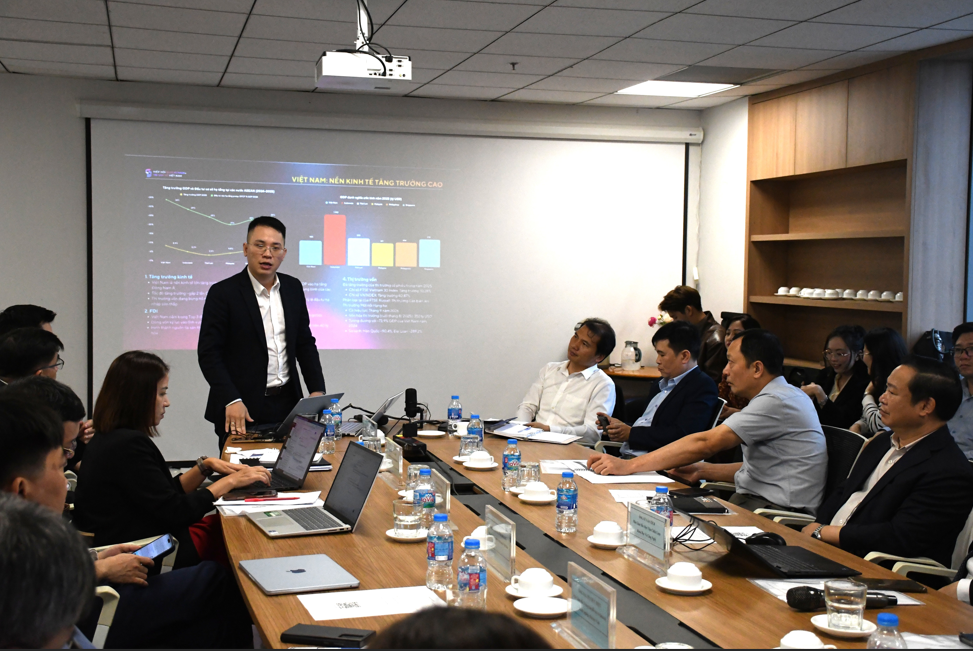
The workshop was organized on 20 March, 2026, by the Vietnam Institute of Science and Technology Strategy (VISTS) in collaboration with VinSmart Future Joint Stock Company (under Vingroup), attracting a wide range of delegates from regulatory bodies, enterprises, research institutes, and technology-finance experts.
Legal corridor clearing the path for crypto assets
Speaking at the workshop, Mr. Nguyen Khac Lich, Director General of the Authority of Information Technology and Digital Industry, emphasized that Vietnam has taken initial steps toward recognizing digital assets as a legitimate asset class.
Policies such as Resolution 05/2025/NQ-CP and related regulations have established the foundation for piloting crypto asset transaction models within a controlled framework.
In this regard, the sandbox mechanism is identified as a key tool to balance innovation with risk management, while creating space for the State to gradually perfect institutions based on practical reality.
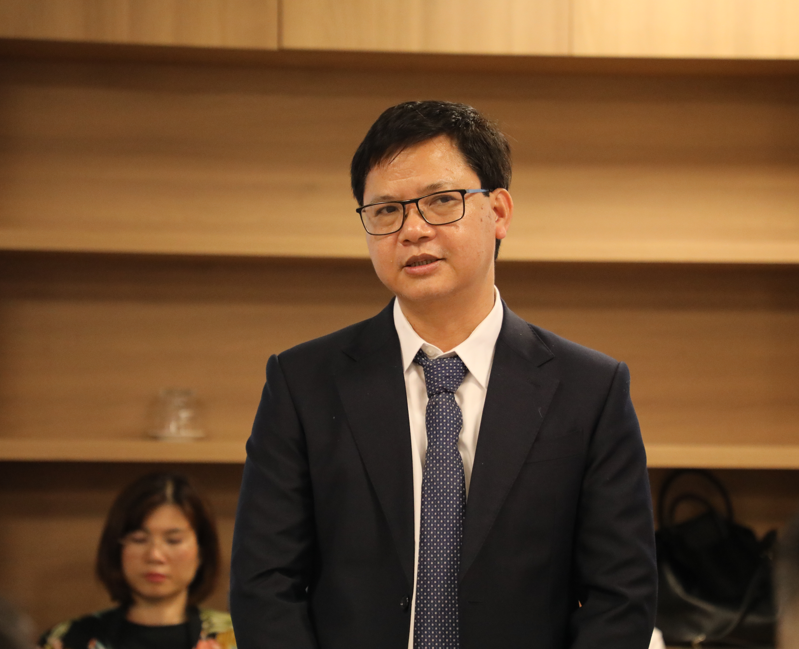
In his keynote presentation, Assoc. Prof. Dr. Vu Van Tich provided a systematic and comprehensive overview of the role of crypto assets in the digital economy.
According to him, crypto assets are emerging as a new asset class with a global market scale reaching trillions of dollars, with nations such as the US, EU, Singapore, Japan, and China proactively building legal frameworks and deploying sandboxes to control and promote development.
Notably, the trend of Real World Asset (RWA) tokenization, including intellectual property rights, data, and scientific research results is opening new opportunities to commercialize technology and increase asset value.
In the Vietnamese context, Assoc. Prof. Dr. Vu Van Tich noted that the legal system is gradually taking shape through the Law on Digital Technology Industry, Decree No. 353/2025/ND-CP, and Resolution 05/NQ-CP on piloting the crypto asset market, alongside major orientations from Resolution No. 57-NQ/TW of the Politburo.
However, the largest current gap lies not in policy, but in the implementation mechanism and coordination among the "Triple Helix" (State - Scientist - Enterprise).
Reality shows a persistent lack of effective coordination mechanisms to share resources, transfer security technologies, and allocate benefits among these three pillars.
From a market perspective, demand from enterprises is becoming increasingly clear as crypto assets are viewed as a tool to diversify capital mobilization channels, increase liquidity, and transparentize transactions.
Nevertheless, businesses still face barriers regarding compliance costs, technological infrastructure, and specialized human resources.
Therefore, according to Assoc. Prof. Dr. Vu Van Tich, establishing a sandbox mechanism with State companionship and support from institutes and universities is a prerequisite for moving crypto assets from concept to reality.
The results of the workshop will be synthesized into a consultative report submitted to the Ministry of Science and Technology, serving as a basis for policy formulation to help realize double-digit economic growth and national digital economy development.
Crypto assets: from concept to commercialization opportunities
As the digital asset market develops strongly without a complete legal corridor, the story of piloting a sandbox model for crypto asset exchanges in Vietnam became the focus of discussion. Opinions showed a clear consensus on the necessity of a "controlled testing" mechanism to foster innovation while ensuring State management.
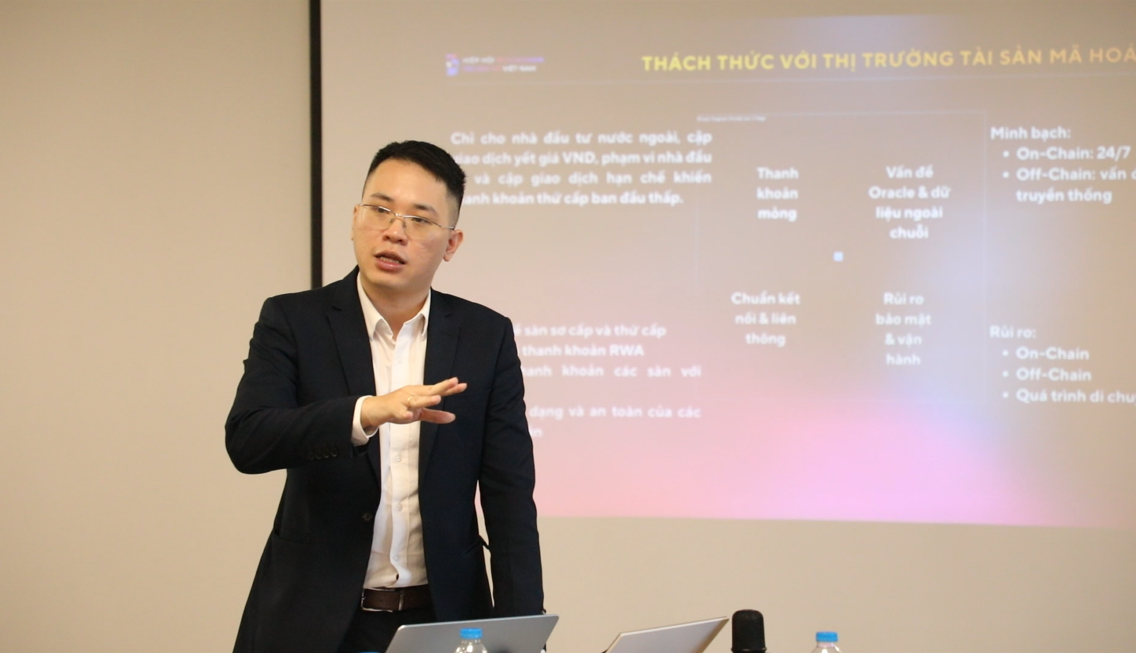
From an expert perspective, Mr. Nghiem Minh Hoang emphasized that Vietnam's preparation to pilot a digital asset exchange under Resolution 05/2025/NQ-CP is of vital importance to the legislative process. The core of this mechanism is creating a practical testing framework for a 5-year term, helping regulators verify policies through evidence rather than just research. Thus, the sandbox is not the destination, but a stepping stone toward a more comprehensive and feasible legal system.
According to him, the core of this mechanism is the creation of a practical testing framework for a five-year term, enabling regulatory bodies to verify policies through evidence rather than relying solely on research.
The sandbox, therefore, is not the destination but a stepping stone toward building a more comprehensive and feasible legal system.
Analyzing further, Mr. Hoang argued that the greatest significance of the pilot is ensuring the law-making process remains closely aligned with reality. Through trial operations, regulators can evaluate pivotal issues such as asset scope, transaction organization conditions, oversight mechanisms, information transparency obligations, and cash flow control.
This approach represents a combination of caution and proactivity: caution in controlling the scope of the trial, yet proactivity in establishing a legal foundation based on operational facts.
A reality frankly pointed out by Mr. Nghiem Minh Hoang is that the majority of digital asset transactions by Vietnamese people currently take place on international platforms beyond direct regulatory reach.
Consequently, piloting a domestic exchange could yield three distinct benefits: increasing transparency, enhancing management capabilities, and providing better investor protection.
When transactions are conducted within a licensed and supervised framework, requirements for information disclosure and accountability will become clearer. Simultaneously, settling payments in Vietnamese Dong within the pilot framework will also assist regulators in monitoring cash flows more effectively, contributing to anti-money laundering efforts and ensuring the safety of the financial system.
However, he also noted that the greatest challenge lies not in technology, but in the capacity to operate the market within a new framework. Human resources, market liquidity, and risk management are the key factors. A digital asset exchange requires a team capable of bridging the gap between blockchain technology, market operations, and legal compliance.
At the same time, it is essential to ensure sufficient liquidity to accurately reflect market behavior while maintaining the necessary control conditions during the pilot phase.
Sandbox – a "laboratory" for policy and technology
Practical experience from the local level shared by Ms. Pham Thi Ngoc Quyen, Deputy Director of the Da Nang Department of Science and Technology, further clarified the role of the sandbox.
According to her, allowing controlled testing of intermediary technology solutions related to crypto asset conversion helps regulators "see" how the technology operates while creating space for businesses to adjust their business models accordingly.
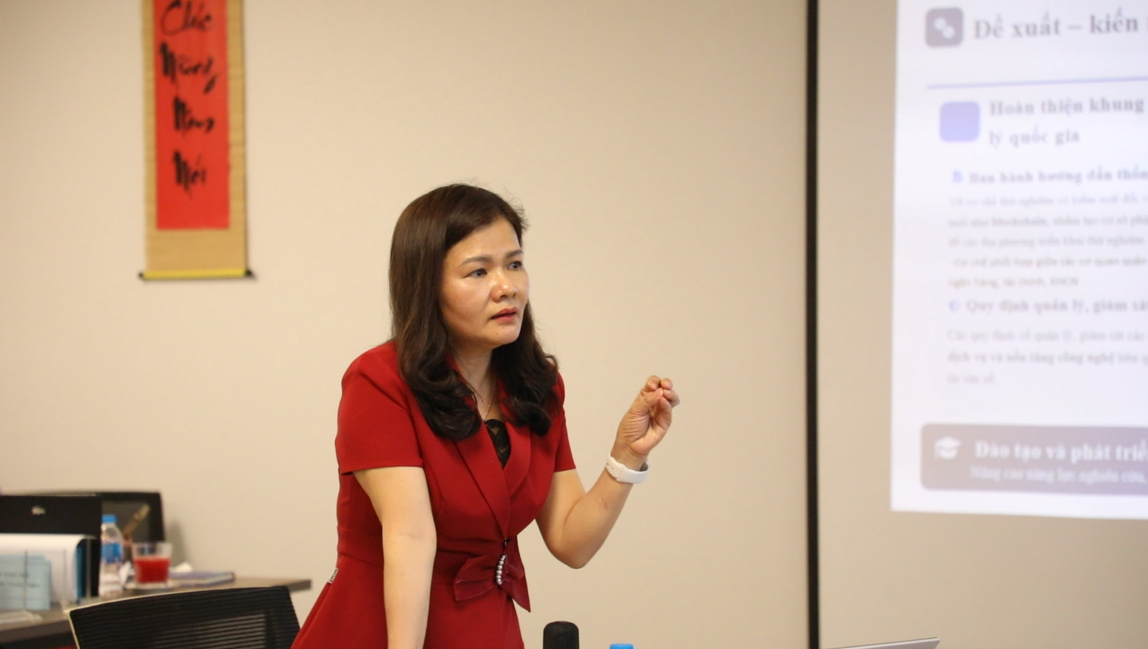
From two successful pilot projects, Da Nang has drawn a key lesson: A sandbox must be flexible enough to foster innovation, yet require clear boundaries regarding data, responsibility, and risk control.
Ms. Pham Thi Ngoc Quyen, Deputy Director of the Da Nang Department of Science and Technology.
One notable proposed model is DDAPI - a digital financial infrastructure for State-managed projects. Moving beyond a mere exchange, this model encompasses the issuance, trading, payment, and supervision of digital assets within an integrated system. It aims to mobilize capital for public projects, alleviate budgetary pressures, and attract international investment.
Da Nang is considered an ideal locality for implementation due to its flexible regulatory environment and burgeoning technology ecosystem.
Alongside perspectives from experts and local authorities, the presentation by Mr. Nguyen Duc Ngoc, Head of Foreign Legal Affairs at VinSmart Future, further clarified the corporate challenges within a sandbox context.
The pressing question is: which technology to choose and how to participate in the testing mechanism to avoid being left behind? According to his analysis, the challenge lies not only in selecting a blockchain platform or a tokenization model but also in the ability to meet compliance standards. The sandbox thus serves as a critical "filter", identifying enterprises with sufficient technological capacity, governance, and transparency for long-term market participation. Businesses also proposed the early establishment of clear technical and legal criteria to allow for proactive engagement from the outset.
From a sectoral management perspective, a representative from the Authority of Information Technology and Digital Industry noted that the application of asset encryption technology in Vietnam remains fragmented, lacking common standards and interconnectivity mechanisms.
The sandbox will function as a "policy laboratory" where models are verified under real-world conditions, helping regulators identify appropriate technologies and recognize potential risks. More importantly, this is a necessary step toward forming national standards for digital assets, preventing disjointed development and a lack of connectivity.
Paving the way for a transparent and sustainable digital asset market
The discussion became vibrant as delegates agreed that the sandbox is not just a risk control tool but also a lever to promote public finance. When digital asset transactions are brought into a domestic framework, the State can better control cash flow and build appropriate tax and fee policies, thereby increasing budget revenue.
Furthermore, proactively establishing national standards will help Vietnam elevate its position in the global competition for blockchain technology and the digital economy.
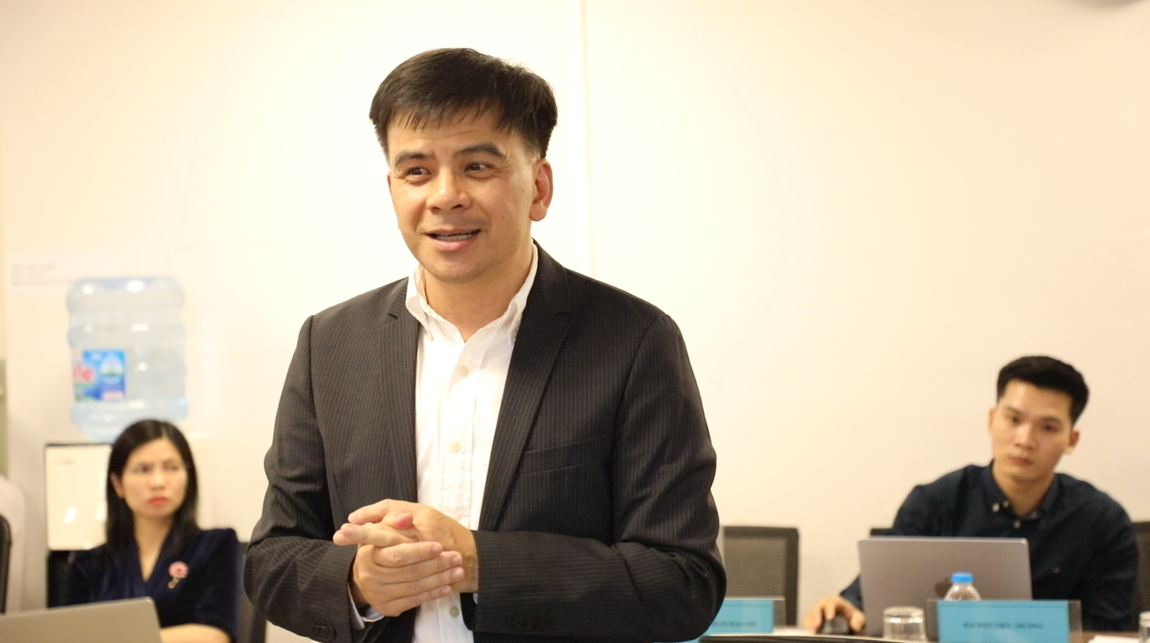
Synthesizing the various perspectives, Mr. Nguyen Duc Ngoc, Head of Foreign Legal Affairs at VinSmart Future, observed that Vietnam’s crypto asset market is standing before a critical "window of opportunity". If a sandbox is effectively implemented, the market will not be limited to trading common crypto assets but could expand into deeper application models such as Real World Asset (RWA) tokenization, including bonds, income-generating real estate, and other financial instruments.
This is a global trend with a projected scale reaching tens of trillions of dollars over the next decade.
The discussion session recorded high consensus that a sandbox is not merely a risk control tool, but also a lever for the State to proactively lead the market.
When crypto asset transactions are brought into a domestic framework, the ability to transparentize cash flows will be improved, creating a foundation for the formulation of tax and fee policies, thereby contributing to the enhancement of public finance.
Numerous specific proposals were also put forward, such as developing local-level digital asset trading platforms, piloting tourism tokens in Da Nang, building digital industrial parks, and encrypting public assets and scientific data. Participants unanimously agreed that data, particularly scientific data and intellectual property, will become a vital asset class in the digitized future.
From the presentations and exchanges at the workshop, the most significant common ground was the consensus on the inevitable role of the sandbox.
This is not a loosening of management, but a proactive, controlled, and practice-based approach. When correctly designed, a sandbox serves as both a policy testing tool and a standard-forming platform, thereby paving the way for a transparent and sustainable digital asset market that contributes more effectively to Vietnam's digital economy./.
Copyright belongs to the Vietnam Journal of Science and Technology (VJST-MOST)