Enhancing the significance of noble Awards in the field of science and technology
The seminar organized by the Ministry of Science and Technology aims to clarify the value and processes regarding 2 top titles in the field of creative research. This event emphasizes the role of the awards in encouraging high-quality human resources, while providing specific guidance for preparing participation documents.
Two noble awards honoring researchers
The Ministry of Science and Technology (MST) has just organized the thematic Seminar "Enhancing the role and significance of the Ho Chi Minh Prize and the State Prize in Science and Technology", aimed at clarifying core values while guiding in detail the dossier preparation process for the 7th consideration round of the Ho Chi Minh Prize and State Prize in Science and Technology.
These are the two highest titles in the national commendation system for scientific research and technological development achievements.
Attending the Seminar were Deputy Minister of Science and Technology Bui Hoang Phuong along with leaders of units under the Ministry, representatives of research institutes, higher education institutions, state-owned enterprises, local Departments of Science and Technology...
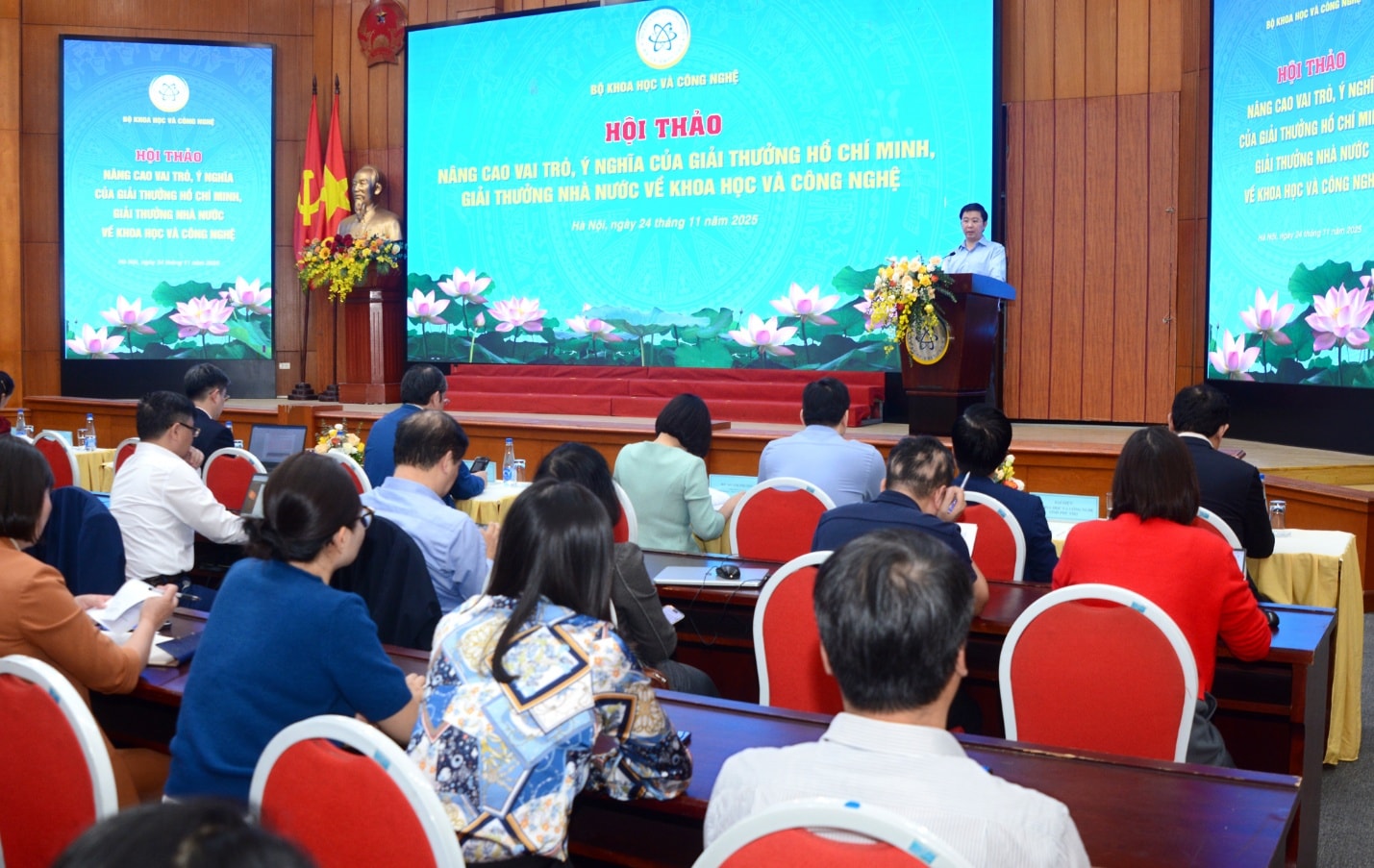
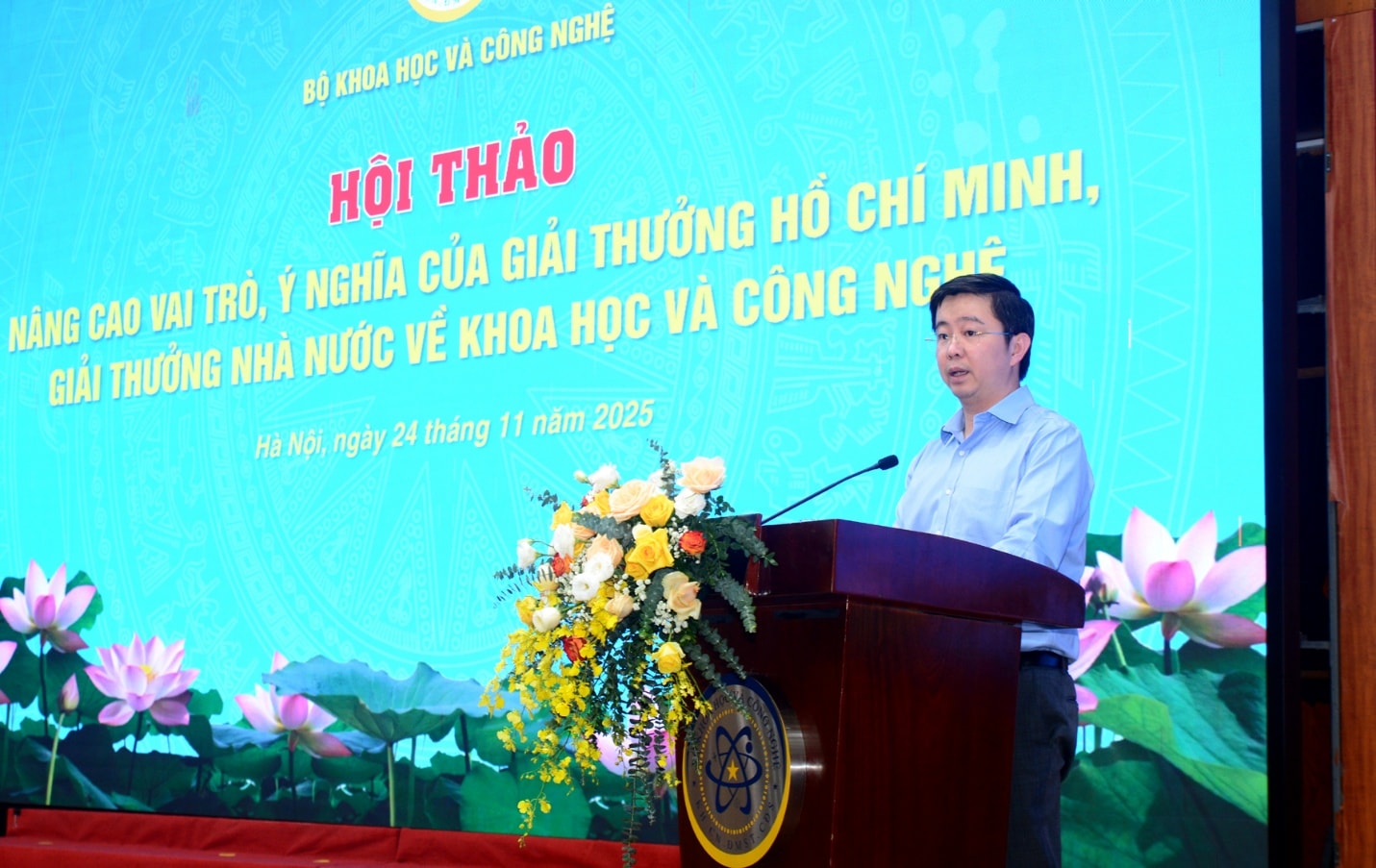
Delivering the opening remarks and orientation, Deputy Minister Bui Hoang Phuong affirmed: The Ho Chi Minh Prize and State Prize in Science and Technology are not only a form of individual honoring but carry national strategic significance, contributing to consolidating the pioneering position of scientific and technological intellectuals in the cause of industrialization, modernization, and international integration.
Implemented since 1996 and having gone through 6 consideration rounds, the awards have honored hundreds of works and clusters of works with exceptionally outstanding scientific value, forming national intellectual assets and strong inspiration for the next generations of researchers.
The Deputy Minister emphasized the legal context and new policies creating unprecedented momentum: The Law on Science, Technology and Innovation (recently passed by the National Assembly) along with Resolution 57-NQ/TW of the Politburo have established an open corridor, prioritizing resources for research, transfer, and commercialization of results.
In that context, successfully organizing the 7th consideration round is not only a task of emulation and commendation but also an important policy tool to raise the standards of leading scientists, gradually approaching and surpassing international standards.
To ensure quality and progress, MST proposed groups of key tasks.
First is that before 31 December, 2025, ministries, branches, localities, research institutes, universities, and enterprises urgently complete grassroot-level selection, while supporting authors to perfect dossiers according to the latest regulations.
Second is enhancing inter-agency coordination between functional units of MST with ministerial and provincial councils to timely resolve obstacles regarding procedures and criteria.
Third is from the first quarter of 2026, deploying ministerial-level review with the participation of independent expert councils, ensuring principles of transparency, objectivity, and science.
Fourth is promoting extensive communication about the political - scientific - humanistic significance of the award, thereby spreading the spirit of dedication in the intellectual community.
Deputy Minister Bui Hoang Phuong emphasized the historical responsibility of the entire system: “Every stage in the awarding process - from launching, receiving, appraising to announcing and awarding - must be carried out with the highest sense of responsibility, so that the Ho Chi Minh Prize and State Prize in Science and Technology continue to be immutable symbols of Vietnamese intellect, and simultaneously strong driving forces for the strategy of truly making Science and Technology a top national policy”.
Removing obstacles for grassroots units in the dossier perfection process
At the Seminar, representatives of the Department of Organization and Personnel, MST presented a report clarifying the legal basis prescribing conditions, order, procedures, and issues to note during the process of grassroots units sending and reviewing dossiers for these two important Awards.
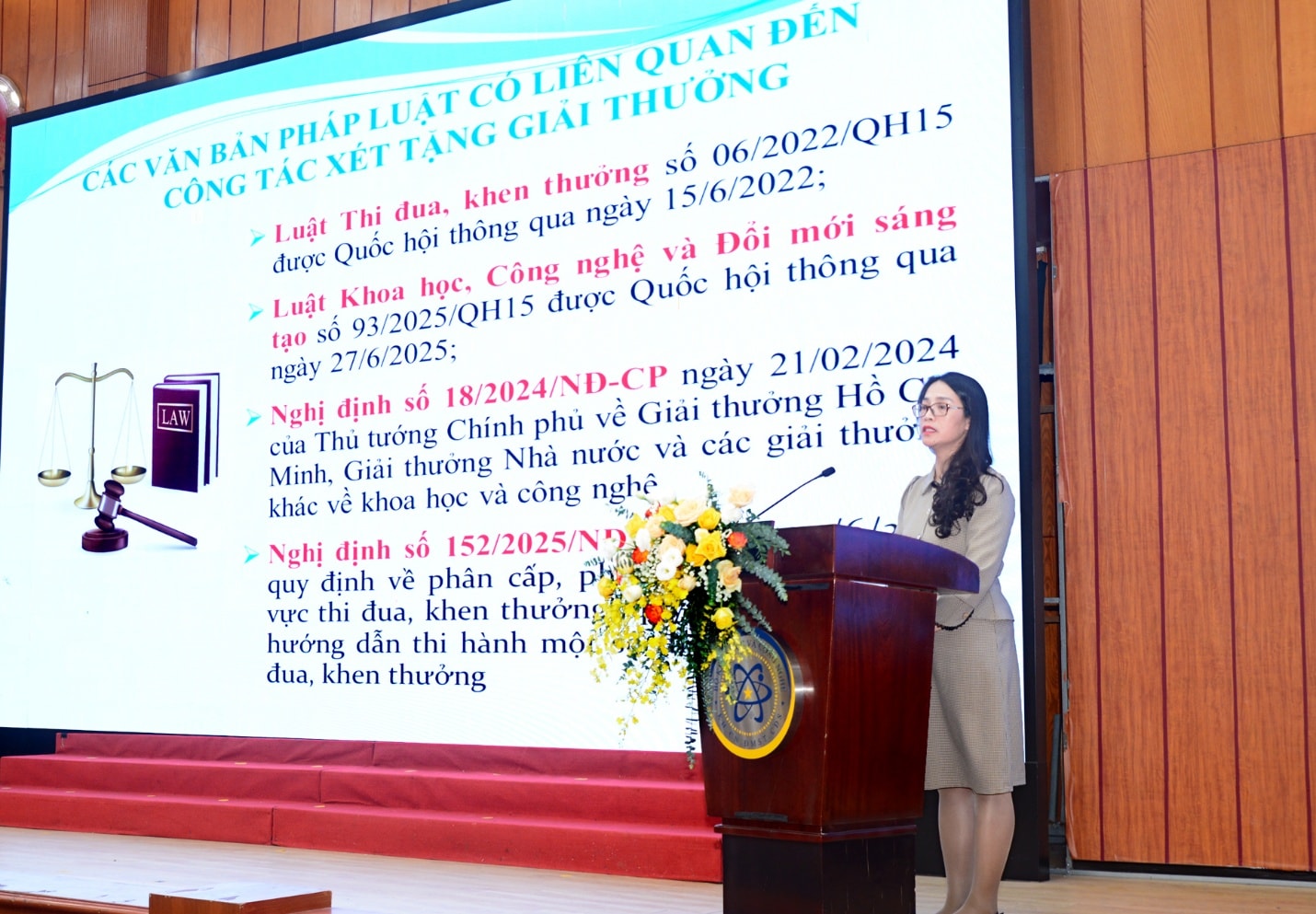
The Law on Emulation and Commendation prescribes State Awards, including the Ho Chi Minh Prize and the State Prize in Science and Technology. Awarding Decrees often cite articles of this law. Specifically, Decree 18/2024/ND-CP adjusts processes and standards for awarding according to the Law on Emulation and Commendation.
Decree 152/2025/ND-CP dated 14 June, 2025 enhances transparency and responsibility in considering noble titles such as the Ho Chi Minh Prize and State Prize in Science and Technology. Soliciting central opinions, prescribing appraisal deadlines, and dossier responses are all clearer; there is clearer decentralization of authority between levels of state management (ministry, province, central) - helping improve the effectiveness of commendation work.
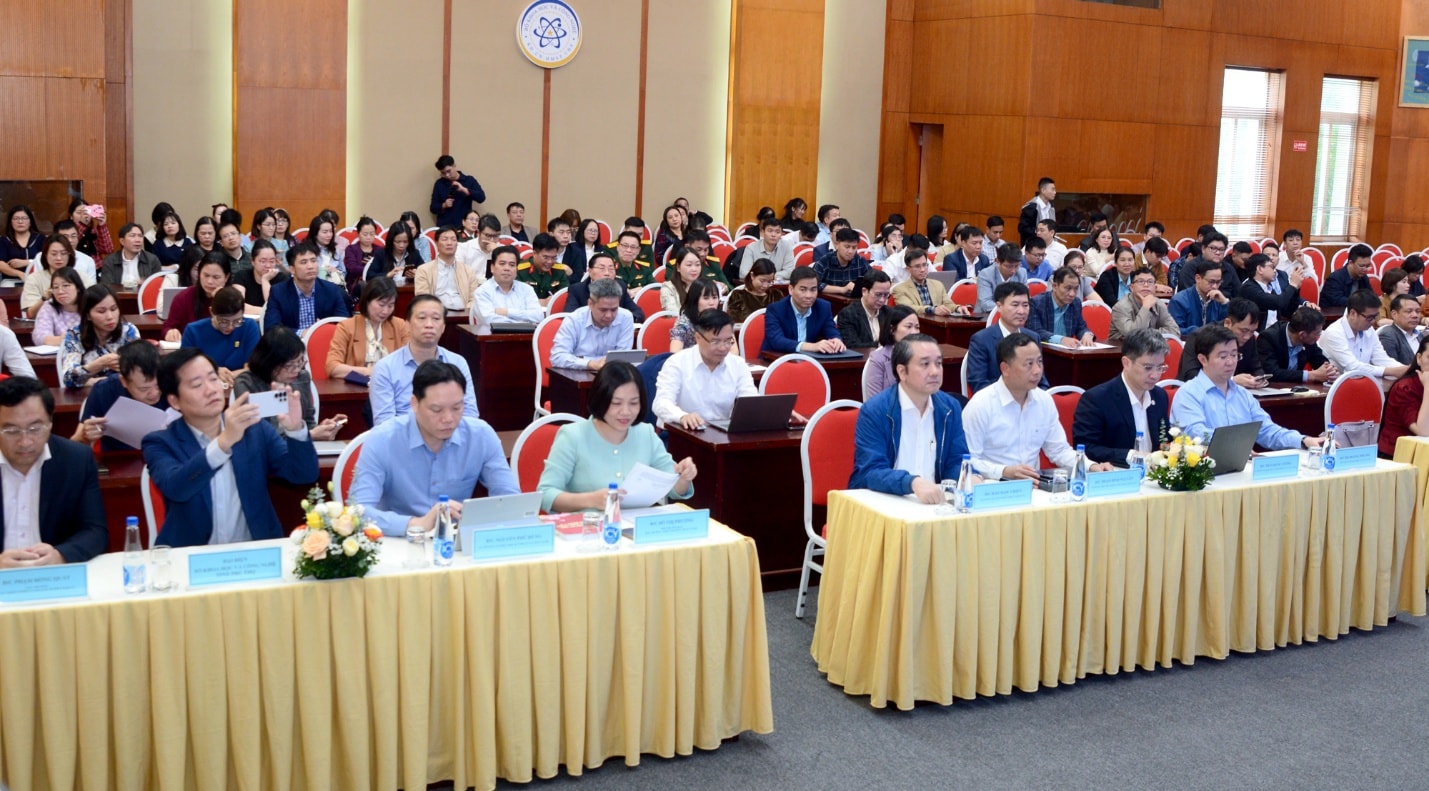
Decree 18/2024/ND-CP is the new decree specifically prescribing the Ho Chi Minh Prize, State Prize in Science and Technology, and other awards in Science and Technology. The Decree prescribes conditions, standards, procedures for awarding and posthumous awarding, as well as responsibilities of award consideration organizations.
For example, work conditions: Application or publication time is at minimum 3 years, or if applied creatively and effectively, it is 1 year. Awarding standards (e.g., author conditions, work conditions) are prescribed in detail in Decree 18/2024.
Decree 60/2019/ND-CP amends and supplements a number of articles of Decree 78/2014/ND-CP, especially regarding principles for considering the Ho Chi Minh Prize and State Prize in Science and Technology. For example: Regulation “each work is only proposed for consideration for one Award in one consideration round”; or works that have received the Ho Chi Minh Prize cannot be considered for the State Prize in Science and Technology and vice versa.
In the discussion session, representatives of universities, state-owned groups and corporations, and delegates from localities attending the Seminar raised obstacles during the Award participation process.
Recent changes in administrative management decentralization at universities and changes in governing bodies for state-owned enterprises make the consideration process at the grassroots level difficult.
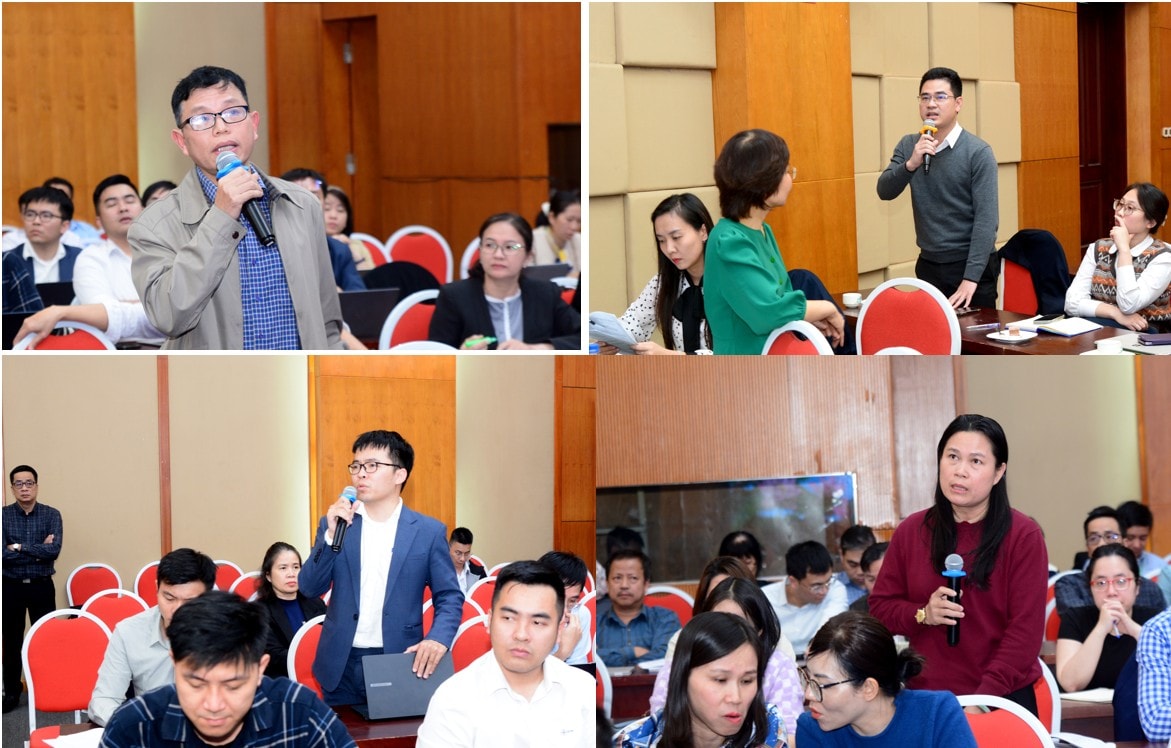
Experts in the field of emulation and commendation shared, answered, and advised on methods to remove these difficulties. However, there are issues requiring consensus among the Ministry of Science and Technology, Ministry of Home Affairs, and Ministry of Education and Training for this process to be smooth and consistent.
The discussion session not only provided practical guidance but also reaffirmed the national commitment to honoring intellectual contributions.
By enhancing the process and significance of the titles, this event contributes to building a strong research ecosystem, aiming toward international standards. This will promote active participation from the academic circle, ultimately bringing long-term benefits to socio-economic development and protecting national interests.
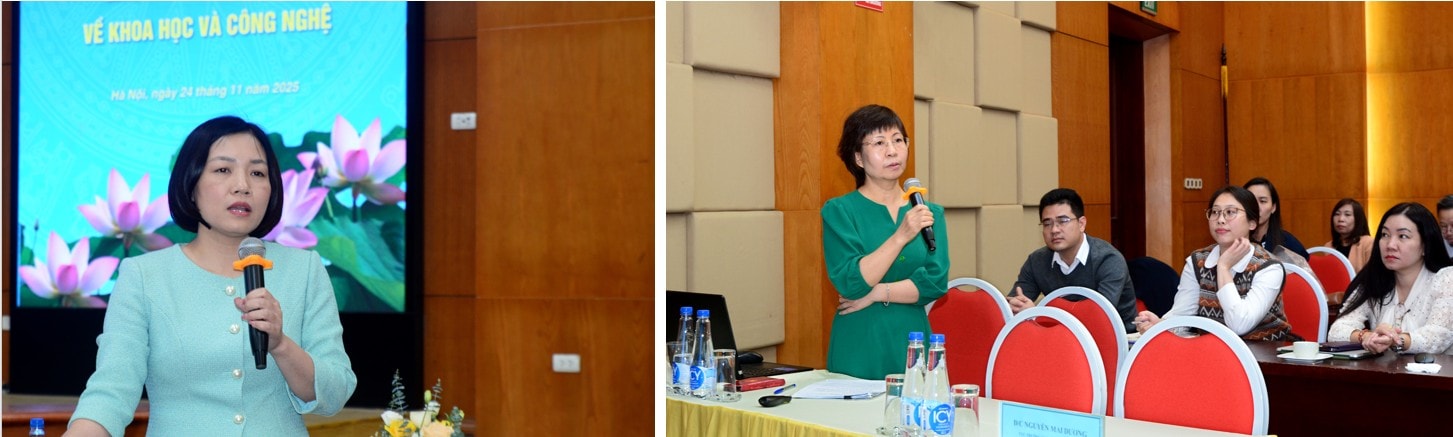
Relevant parties need to act decisively to ensure the upcoming assessment period is successful, thereby continuing to nurture the creative spirit in future generations
With clear orientations given at the Seminar, the 7th consideration round promises to become a new milestone, not only honoring contributions crystallized over time but also sparking creativity for a breakthrough development period of Science and Technology of the country./.
Translated by Vietnam Journal of Science and Technology (VJST - MOST).