
The RECAF project: Solutions for forest protection and rural livelihood improvement
The Vietnamese government, in collaboration with the International Fund for Agricultural Development (IFAD) and the Green Climate Fund (GCF), has officially launched the Reduction of Emissions in the Central Highlands and South Central Coast of Vietnam (RECAF) project with a total investment of US$102.50 million in Buon Ma Thuot (Dak Lak).
RECAF is a large-scale climate initiative aimed at addressing the increasing trend of greenhouse gas emissions, protecting valuable forest ecosystems, and promoting sustainable agricultural models linked to improving rural livelihoods.
The project contributes to realizing the goals of Vietnam's National Action Program on REDD+ in the context of increasingly complex climate change.
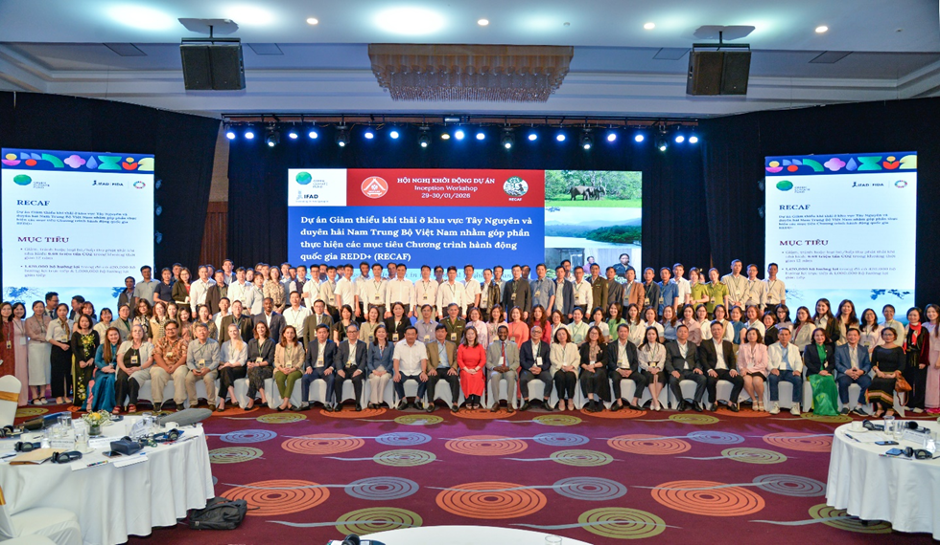
Emission challenges and forest degradation
Over the past decades, rapid economic growth has helped Vietnam achieve many development successes, but it has also led to a significant increase in greenhouse gas emissions, from 0.79 tons of CO₂ per person in 2000 to 3.81 tons in 2018.
In the Central Highlands region, widespread deforestation has increased climate risks, reduced soil fertility, and negatively impacted long-term agricultural productivity. Dak Lak - a key coffee-producing region of the country - is one of the localities most clearly affected by these challenges.
According to Mr. Nguyen Minh Huan, Director of the Department of Natural Resources and Environment of Dak Lak province, “The RECAF project is of particular importance to Dak Lak province and the Central Highlands region. By combining forest protection with sustainable agricultural production, RECAF will help farmers increase their income while protecting forest resources for future generations”.
The comprehensive solution of the RECAF project
RECAF is designed to directly address these issues by supporting farmers in adopting climate-adaptive agroforestry systems, enhancing the protection of natural forests, and developing deforestation-free agricultural value chains.
The project is led by the Ministry of Agriculture and Environment, in coordination with the People's Committees of Dak Lak, Gia Lai, Lam Dong, and Khanh Hoa provinces, with combined funding from IFAD and GCF.
According to the plan, over six years of implementation, RECAF is expected to help reduce emissions by approximately 6.68 million tons of CO₂ equivalent, primarily through converting 145,000 hectares of forest land to sustainable agroforestry systems and protecting approximately 500,000 hectares of high-value natural forests.
The project is estimated to directly benefit 420,000 people and improve the livelihoods of over 1 million indirect beneficiaries, thereby making a significant contribution to Vietnam's national climate commitments, while enhancing food security and rural incomes.
The role of international development partners
Speaking at the project launch ceremony, Mr. Frew Behabtu emphasized: “RECAF demonstrates Vietnam's leadership role in connecting climate action with rural development. IFAD is proud to partner with this project, placing farmers and forest-dependent communities at the center of solutions to enhance resilience, protect natural resources, and create sustainable economic opportunities”.
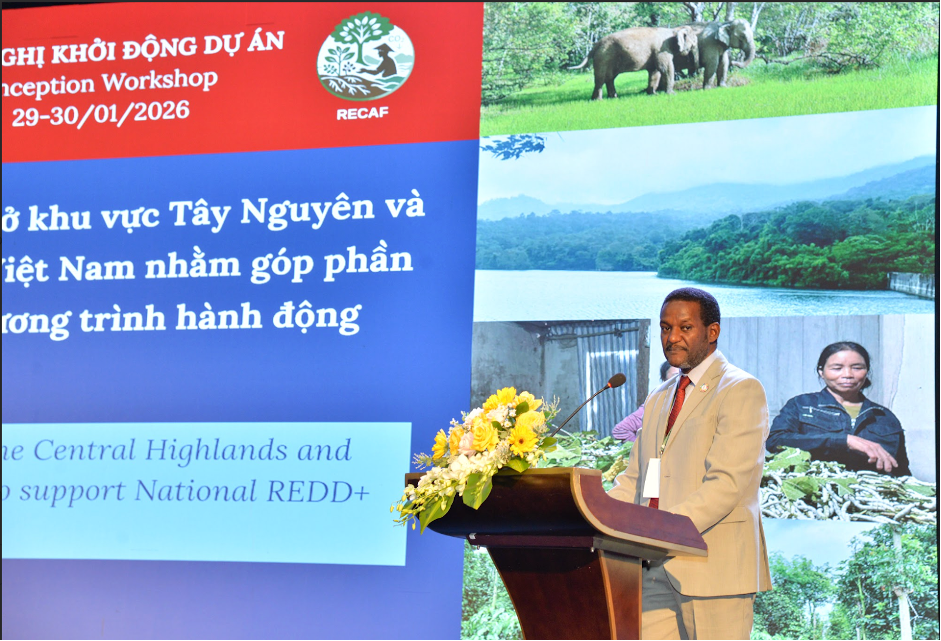
From a climate finance perspective, Frederic Wiltmann, Head of Southeast Asia and representative of the GCF, stated: “The RECAF project demonstrates that climate finance can create tangible and lasting impacts on people and nature through sustainable land use and enhanced forest protection.” He added that this investment also reflects the GCF's commitment to national sovereignty and effective partnerships.
Regarding the project's financial structure, Ms. Nguyen Thi Dieu Trinh commented: “The effective combination of concessional loans from IFAD and grants from the GCF demonstrates a modern approach to development finance, helping to maintain the concessionality of funding, reduce budgetary pressure, and maximize development impact in disadvantaged areas”.
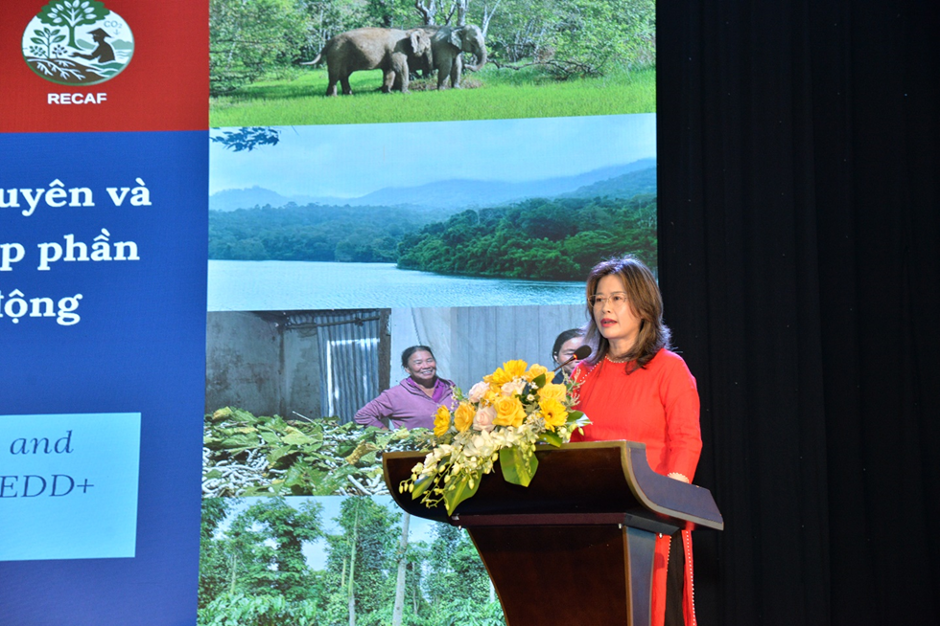
She also affirmed that RECAF is a testament to the reliable, effective, and increasingly in-depth cooperative relationship between the Government of Vietnam and IFAD.
RECAF also focuses on promoting partnerships between farmers, the private sector, and local authorities to improve access to markets, infrastructure, and sustainable production technologies for small holder farmers. Vulnerable groups to climate change, such as women, youth, and ethnic minorities, are placed at the center of project activities.
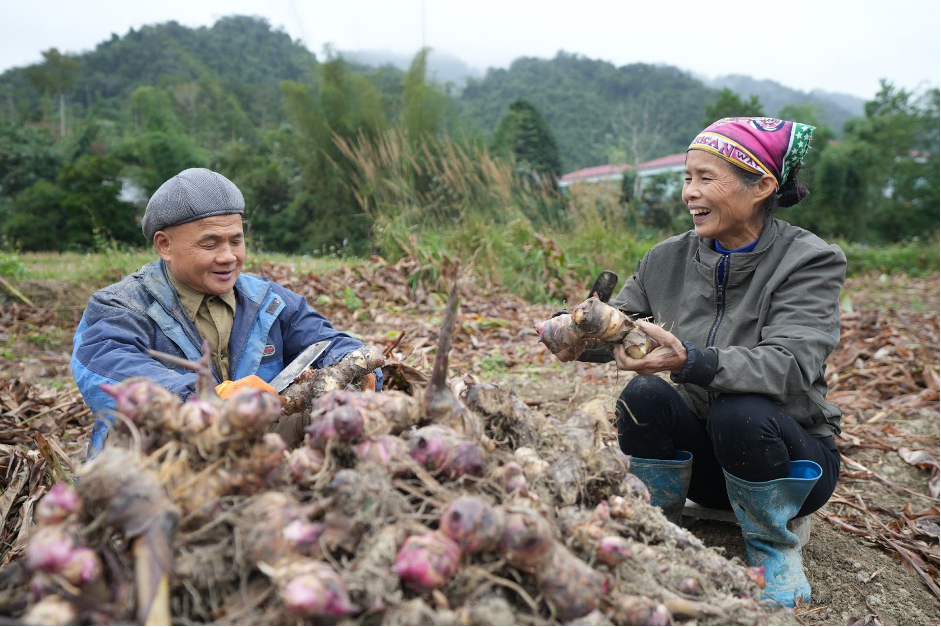
Through the RECAF project, Vietnam's climate commitments continue to be translated into concrete investments, contributing to forest protection, strengthening the rural economy, and building sustainable livelihoods, in line with the current direction of science, technology, and innovation development in agriculture and the environment./.