
The Ministry of Science and Technology is accelerating institutional improvement and enhancing administrative effectiveness
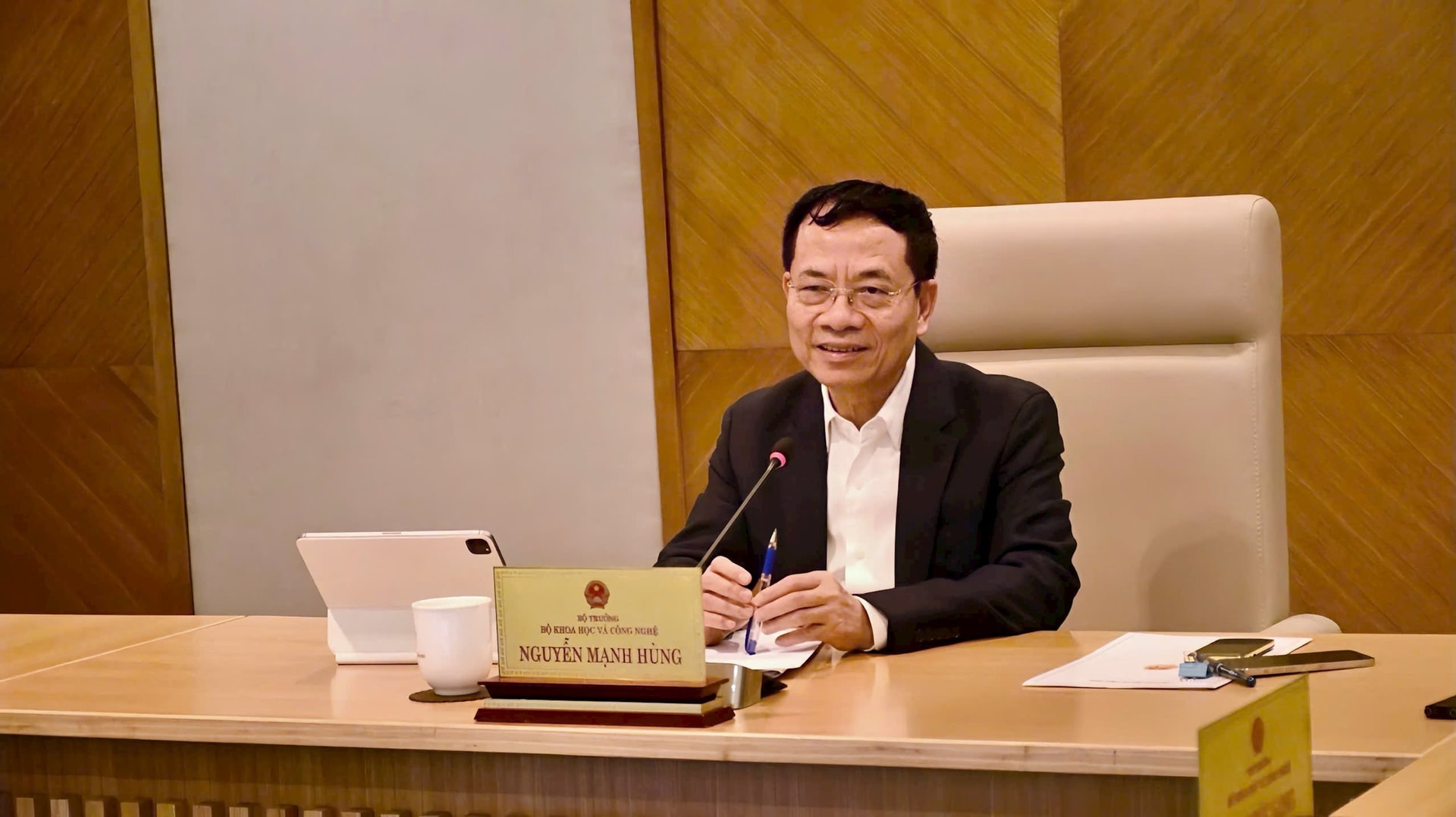
At the November monthly briefing on the afternoon of 5 December, Minister Nguyen Manh Hung emphasized the requirement to "transform first, digitize later," considering the change in operating mindset a prerequisite for improving the effectiveness of institution building and organizational structure during the period where the Ministry of Science and Technology (MST) operates under a unified model.
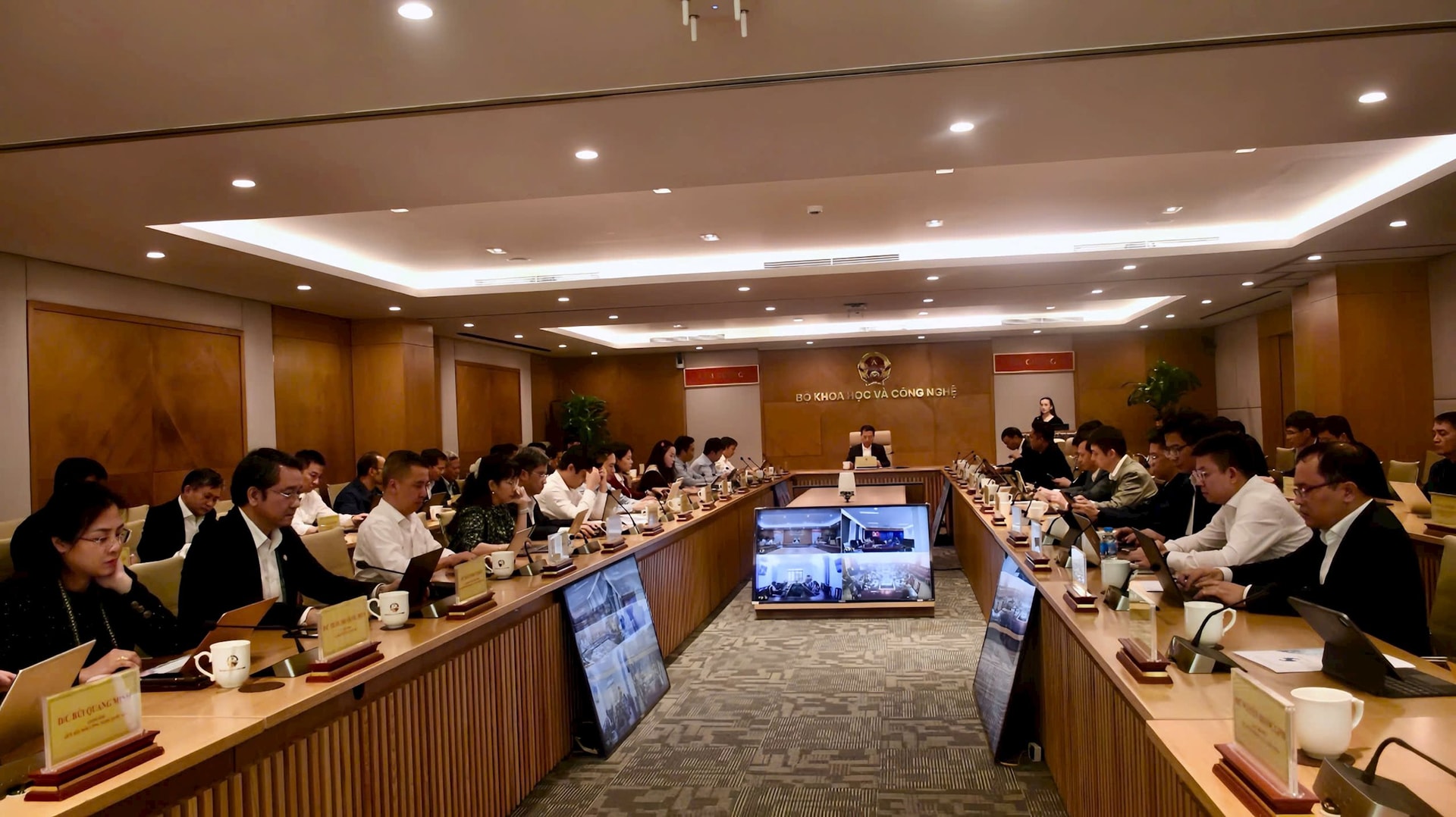
The monthly November briefing, chaired by MST Minister Nguyen Manh Hung, took place at the Ministry's headquarters on the afternoon of 5 December.
The progress of institutional development has been strongly accelerated, and the foundations of a new operating framework have become clearly established
The report at the meeting showed that operational management and institutional building in November were implemented synchronously, ensuring the progress of key tasks.
The Ministry submitted the Digital Government Development Program for the Prime Minister's approval; completed the set of criteria for evaluating the effectiveness of science and technology, innovation, and digital transformation; put the science and technology task management portal into operation; and deployed the system to monitor the implementation of Resolution 57 to every official across the entire system.
Numerous professional and foreign affairs activities were also organized as planned, including the Vietnam Open Technology Forum, the EMBA program, international guest reception activities, and working sessions at VKIST. All contributed to reinforcing the Ministry's role in coordinating the development of the S&T ecosystem.
The indices on the sectoral scale continued to maintain high growth. In November, it was estimated at 530 trillion VND, with total revenue increasing by 36%. ICT revenue reached 494 trillion VND, up 55%. GDP contribution from the S&T sector reached 121 trillion VND, an increase of 34% compared to the same period last year.
These parameters indicate a strong shift in the efficiency of task implementation and the synchronicity among units within the Ministry following the consolidation of the management model.
Within the Ministry's affiliated units, the new operating platforms have shown clear effect. The document workflow process has been streamlined, and processing time has been sharply reduced thanks to digitization and workflow standardization.
The application of AI in document reception helped reduce processing time to about 10 seconds, enhancing the processing capacity of the specialized departments. A review of tasks at the Ministry's Office helped streamline nearly 60% of the workload, allowing units to focus on strategic tasks and reducing administrative burden.
An internal survey of over 2,200 officials showed a high rate of consensus regarding the unified model. The positively evaluated factors included: Discipline - order, coordination efficiency, quality of the digital platform, and transparency in work processes.
This is an important basis for the Ministry to maintain the pace of innovation in the coming time.
Renewing the operational mindset: A consistent requirement for the entire system
Speaking at the meeting, Minister Nguyen Manh Hung put forth guiding principles for the Ministry's organization, operation, and task implementation in the current period.
One, renewing the mindset in technology deployment and work organization.
The Minister emphasized the difference between digital transformation and the digitization of old processes, affirming: "Digitizing the old complexity won't make things better. Digital transformation must involve transformation first, then digitization. If the operating mindset isn't changed, digitization solves nothing".
Accordingly, units must review processes, eliminate unsuitable tasks, and redesign the working method before applying technology.
Two, the responsibility of leadership in innovative tasks, model design, and policy orientation.
Three, implementing substantive decentralization - delegation of power, ensuring that each assigned task is within the correct authority and has a clearly accountable person.
Minister Nguyen Manh Hung stressed: "Whatever is stipulated for decentralization must be strongly decentralized. For routine tasks, one person must make the decision, not just delegate to the proposer".
Four, strengthening internal communication and policy communication to ensure unity in awareness and implementation methods.
Five, the sense of responsibility in task execution and the sense of mission of the staff: "When people receive a great mission, energy comes naturally. Working harder, doing more, but not feeling tired, because they feel useful to the country," the Minister shared.
These guidelines not only adjust the working methodology but also lay the foundation for the Ministry's operating model in the coming period, ensuring effectiveness, consistency, and the capacity to meet the increasingly high demands of the S&T sector.
Concluding the meeting, the Minister emphasized the requirement to ensure unity in awareness and implementation methods across the entire sector. The Minister stated clearly: "For society to understand, the officials within the Ministry must first understand".
This is considered the consistent orientation for the process of institutional refinement, implementation organization, and building the new operational model of MST in the near future./.
Translated by Vietnam Journal of Science and Technology (VJST - MOST).