
Merging of two Ministries sets new foundation for Vietnamese science and technology
The merger between the Ministry of Science and Technology (MST) and the Ministry of Information and Communications is more than a mere organizational restructuring. It has generated a synergy between science and technology, innovation, and digital transformation, thereby establishing a foundation for a new sectoral development model that drives economic growth and enhances national competitiveness.
Streamlining the apparatus, shaping a new governance model
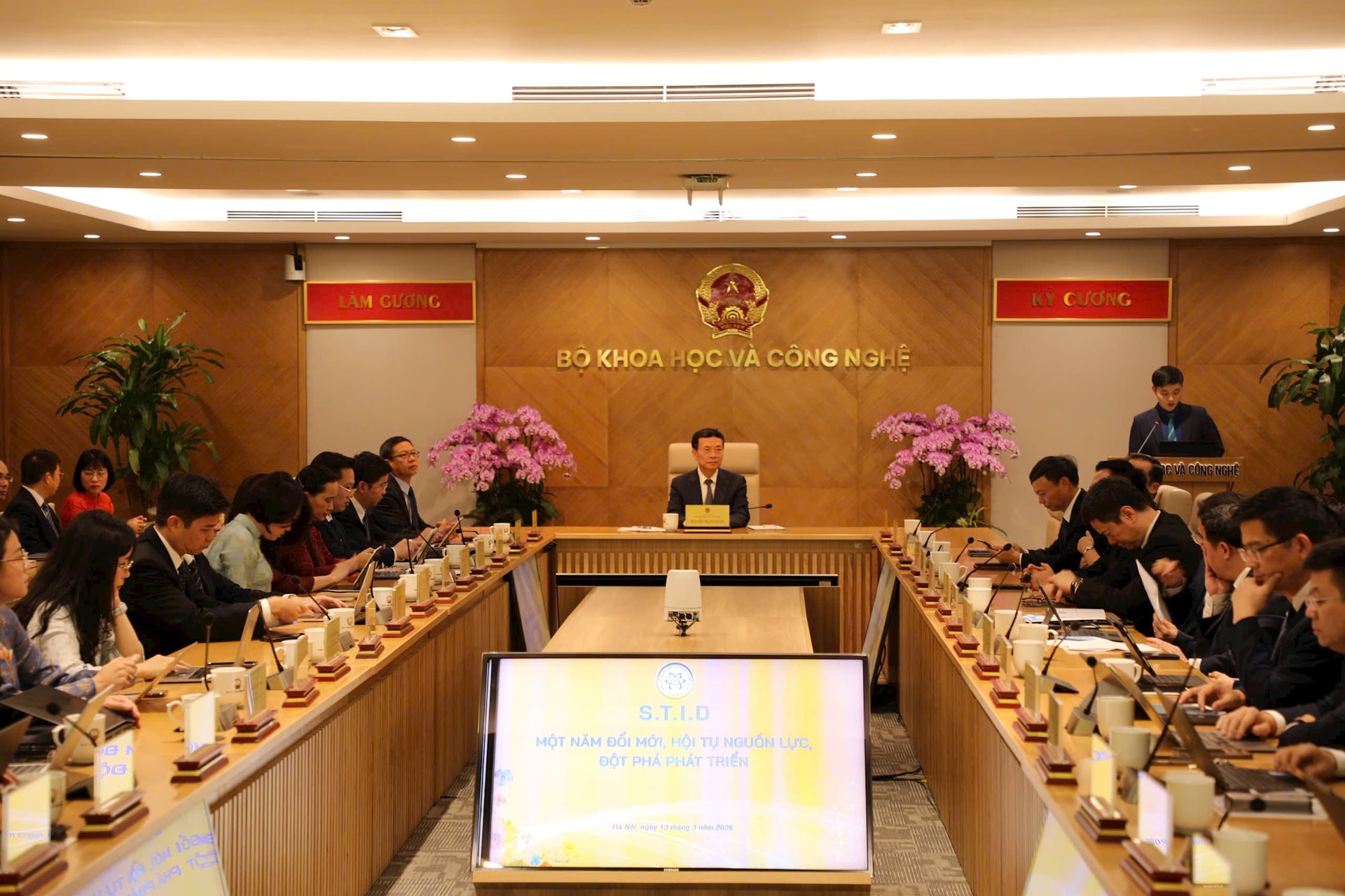
On the afternoon of 13 March 2026, the Ministry of Science and Technology held a meeting to review the first year following the merger. At the gathering, ministerial leaders and affiliated units reflected on a transformative year marked by significant changes in organizational structure, governance methods, and the sector's strategic development orientation.
According to reports at the meeting, the merger aimed to create synergy among the major pillars of the sector: science and technology, innovation, and digital transformation.
As these fields operate as a unified entity, a new governance model for the Ministry has gradually taken shape, shifting from an administrative management approach to a mindset of leadership, support, and development enablement.
Following the merger, the organizational apparatus of MST has been significantly streamlined. While the two previous ministries comprised a total of 75 units, there are currently 41 affiliated units, representing a reduction of approximately 45%.
Personnel figures also decreased from over 6,900 to approximately 6,289 through transfers, retirements, and the restructuring of job positions.
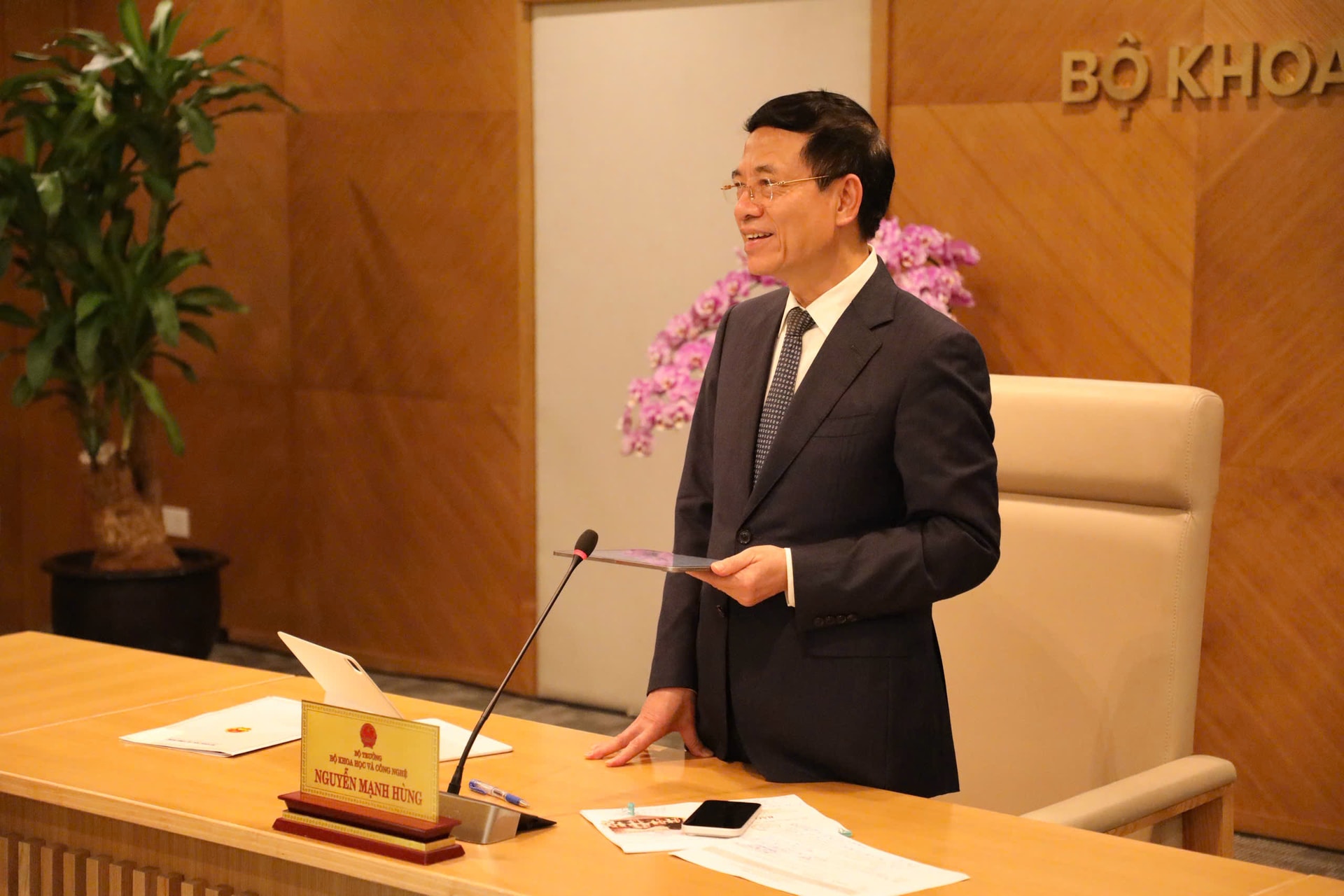
The streamlining of the apparatus is evaluated as a key factor enabling the Ministry to concentrate resources on core tasks while enhancing governance and administrative efficiency.
Notable achievements were highlighted during the session. In the first year post-merger, MST completed a vast volume of legal documents, including 10 laws and numerous critical decrees and circulars, contributing to the perfection of the institutional framework for science, technology, and digital transformation.
Ministerial leadership and direction have also been strengthened. Statistics show that over the past year, the Minister issued 90 concluding notices containing 263 directives across various fields. Three priority areas were emphasized: internal governance innovation, digital transformation, and science and technology development.
Alongside institutional perfection, internal working methods have undergone significant changes. Several workflows have begun integrating artificial intelligence. Furthermore, the "three-pillar transparency" policy - covering progress, responsibility, and results - has been implemented to enhance enforcement discipline.
The sectors of science, technology, innovation, and digital transformation have recorded positive signals.
According to reports, sectoral revenue increased by approximately 25%, while its contribution to GDP rose by more than 35%, underscoring the increasingly clear role of science and technology in economic growth.
Between March 2025 and February 2026, MST was assigned 1,686 tasks, with 1,447 tasks completed on schedule, accounting for approximately 71%.
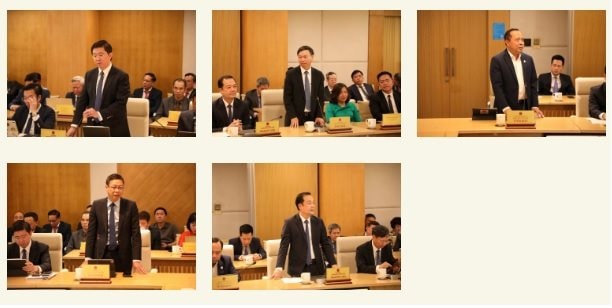
At the meeting, Deputy Ministers of MST shared their reflections on the first year post-merger.
During the meeting, the Deputy Ministers noted that this period was characterized by immense pressure, requiring the simultaneous restructuring of the apparatus and the execution of a heavy workload involving many newly assigned missions.
However, these challenges have fostered the rapid professional growth of the staff and formed the foundation for the Ministry's new operational approach.
A foundation for a new stage of development
Minister of Science and Technology Nguyen Manh Hung remarked that the first year following the merger holds particularly vital significance for the formation and development of the new apparatus.
According to the Minister, the merger was not just an organizational change but a process of adaptation, adjustment, and the establishment of a new platform for the entire sector.
In the initial phase, many units simultaneously handled a large volume of work, balancing organizational restructuring with the implementation of political and professional tasks under very high-pressure deadlines.
Nevertheless, the collective efforts of officials, civil servants, and public employees across the sector have helped the new apparatus stabilize, setting the stage for the next phase of development.
Minister Nguyen Manh Hung emphasized: “A merged Ministry reaching its one-year mark is like a child turning one-year-old. A one-year-old child has surpassed the most fragile and difficult stage of life. The first year is crucial because what is formed during this period will create the foundation for the entire developmental journey ahead”.
According to the Minister, the most critical achievement after the merger is not just the arrangement of the apparatus but the cultivation of a shared culture and a unified working method across the entire system. This is the factor that unites units and creates the internal strength of a large organization.
Minister Nguyen Manh Hung also highlighted the governance philosophy the Ministry is pursuing, expressed through three elements: "favorable timing, geographical advantage, and human harmony". He noted: “Timing must be favorable, meaning everything must be done at the right moment and opportunity. Geography must be advantageous, meaning choosing the right fields and locations that generate the most value to concentrate resources. And most importantly, human harmony, because with harmony, an organization can operate well and develop sustainably”.
According to Minister Nguyen Manh Hung, the development of an organization always involves both advantages and difficulties, successes and limitations, gains and losses. However, these varying factors provide the momentum for the organization to continue perfecting itself and evolving.
The Minister expressed his expectation that after a year of laying the groundwork, the Ministry of Science and Technology will continue to consolidate its organizational culture, enhance governance efficiency, and promote the roles of science, technology, innovation, and digital transformation as key drivers for national growth and development in the coming period./.
Copyright belongs to the Vietnam Journal of Science and Technology (VJST-MOST)