

Minister Vu Hai Quan proposed three directions to promote cooperation on AI between ASEAN and the United States
Minister of Vietnam Science and Technology Vu Hai Quan proposed ASEAN-US cooperation in the field of AI focusing on three main directions: developing AI human resources, ensuring the sovereignty of AI infrastructure, and improving AI institutions and governance.
At the US-ASEAN AI Ministerial Roundtable - The Road to 50 Years of ASEAN-U.S. Relations, held on 20 May 2026 in Singapore, Minister Vu Hai Quan stated that Vietnam identifies AI as a strategic technology and a crucial driving force for national science and technology, innovation, and digital transformation.
The roundtable conference was a meeting between ASEAN Ministers in the field of digital technology and representatives from the US government and industry to discuss the potential for cooperation between ASEAN and the US in the fields of technology and artificial intelligence (AI).
According to Minister Vu Hai Quan, Vietnam is promoting the popularization of AI, developing data infrastructure, computing infrastructure, AI human resources, and applications to serve citizens, businesses, and government agencies.
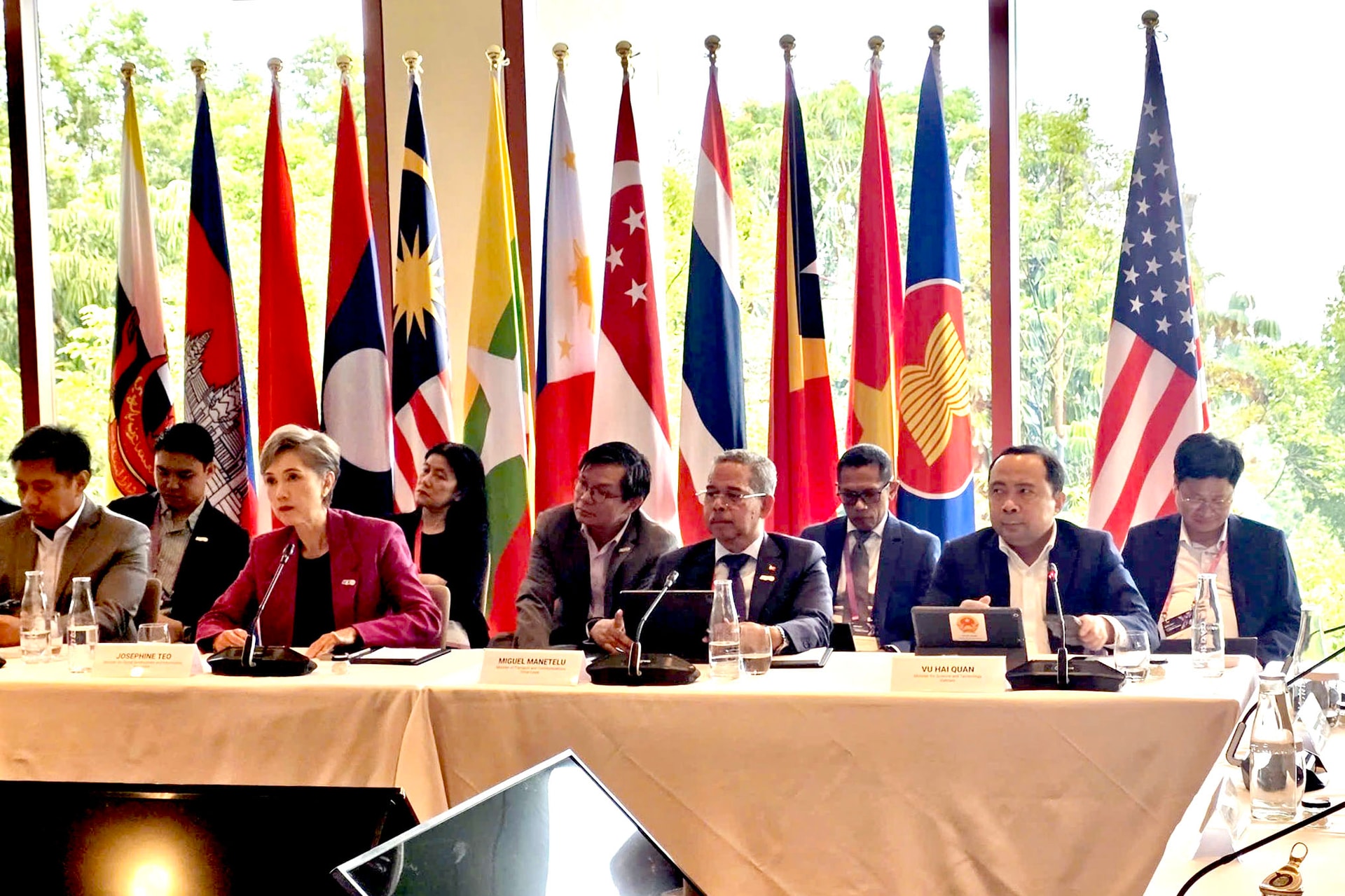
From Vietnam's perspective, Minister Vu Hai Quan proposed that ASEAN-US AI cooperation focus on three main directions.
First, developing AI human resources.
Vietnam prioritizes the development of high-quality human resources in the fields of AI, semiconductors, big data, and high-performance computing; Strengthening linkages between the State, universities, and businesses, while attracting international experts and Vietnamese scientists abroad to gradually master core AI technologies.
Secondly, ensuring the sovereignty of AI infrastructure.
Vietnam is investing in the development of data centers, cloud computing, high-performance computing infrastructure, telecommunications networks, and national data infrastructure; while also focusing on cybersecurity, data security, and promoting reliable AI partnerships.
Thirdly, perfecting AI institutions and governance.
Vietnam is perfecting the legal framework on data, AI ethics, cybersecurity, and innovation to ensure that AI develops safely, transparently, responsibly, and with a human-centered approach; while promoting innovation instead of creating barriers to innovation.
.jpg)
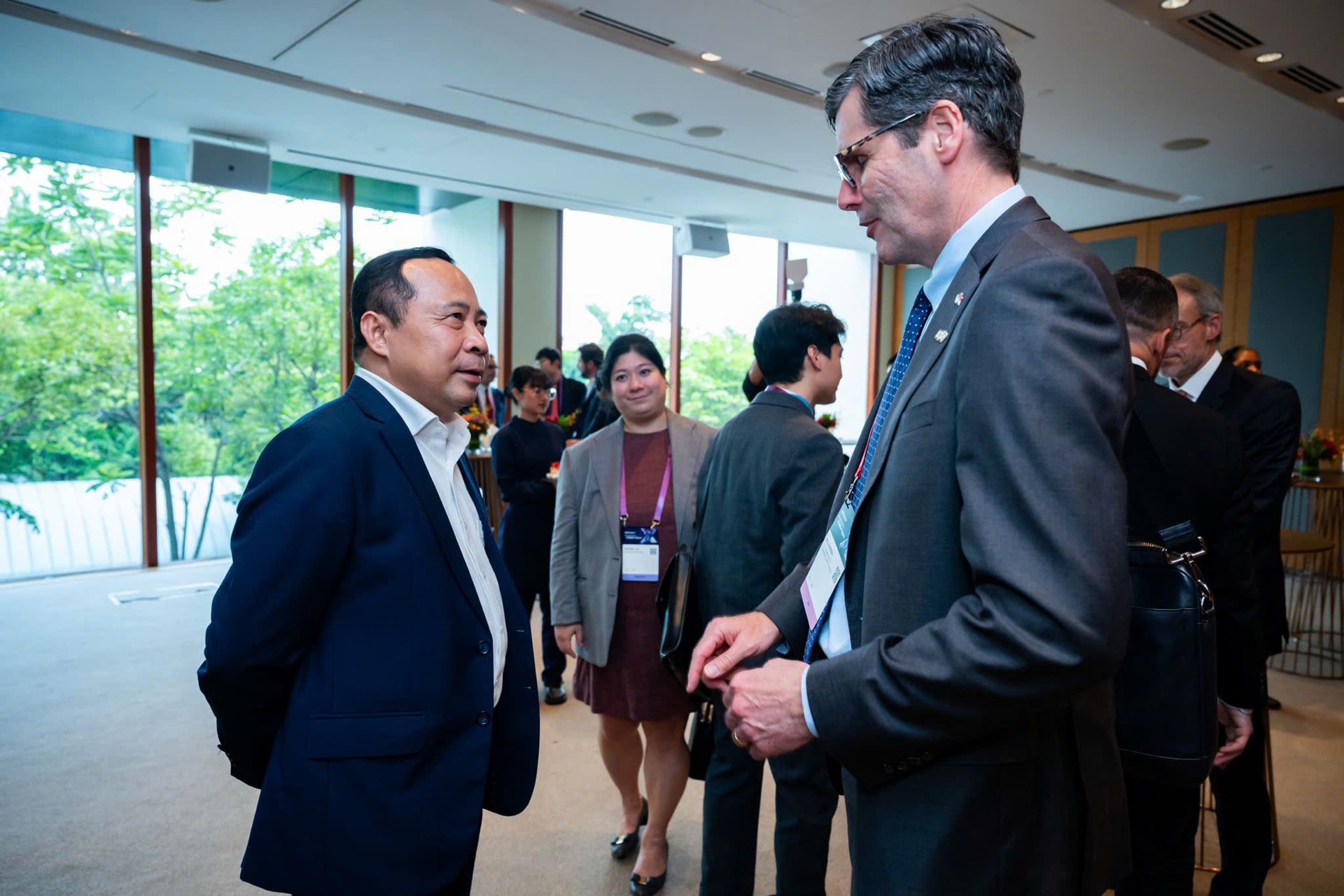
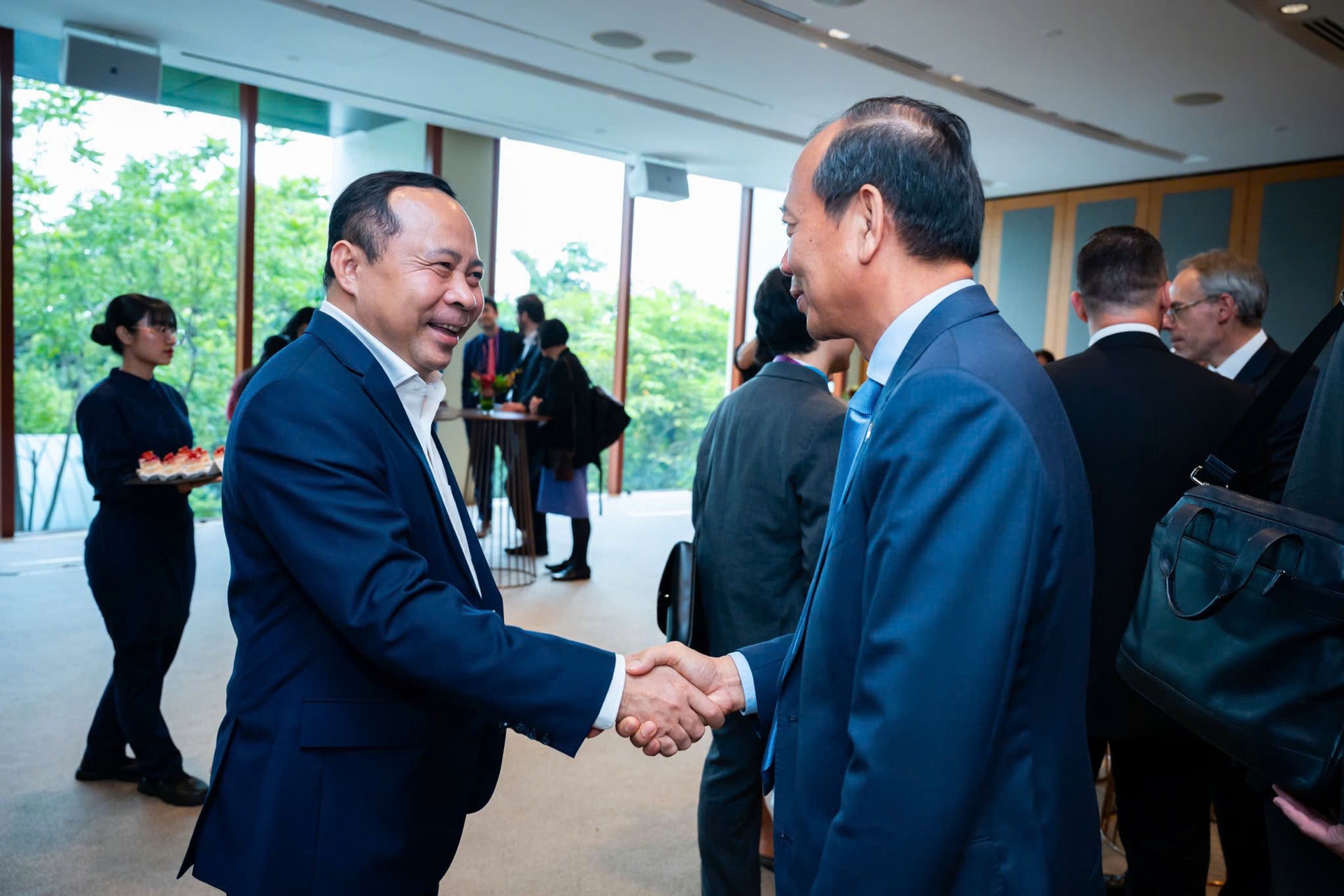
Within the framework of the event, Minister Vu Hai Quan also exchanged views with representatives of several leading US technology companies on AI cooperation and digital infrastructure development.
Google representatives highly appreciated the development of the digital ecosystem in Vietnam and expressed their desire to strengthen cooperation on AI. Amazon leaders stated they are considering expanding operations in Vietnam, including plans to build a regional super data center and develop Vietnam into a manufacturing hub for customer terminal equipment serving global exports.
Promoting cooperation in innovation, AI, and telecommunications infrastructure
Also on May 20th, Minister of Science and Technology Vu Hai Quan worked with Mr. Jacob Helberg, US Under Secretary of State for Economic Affairs.
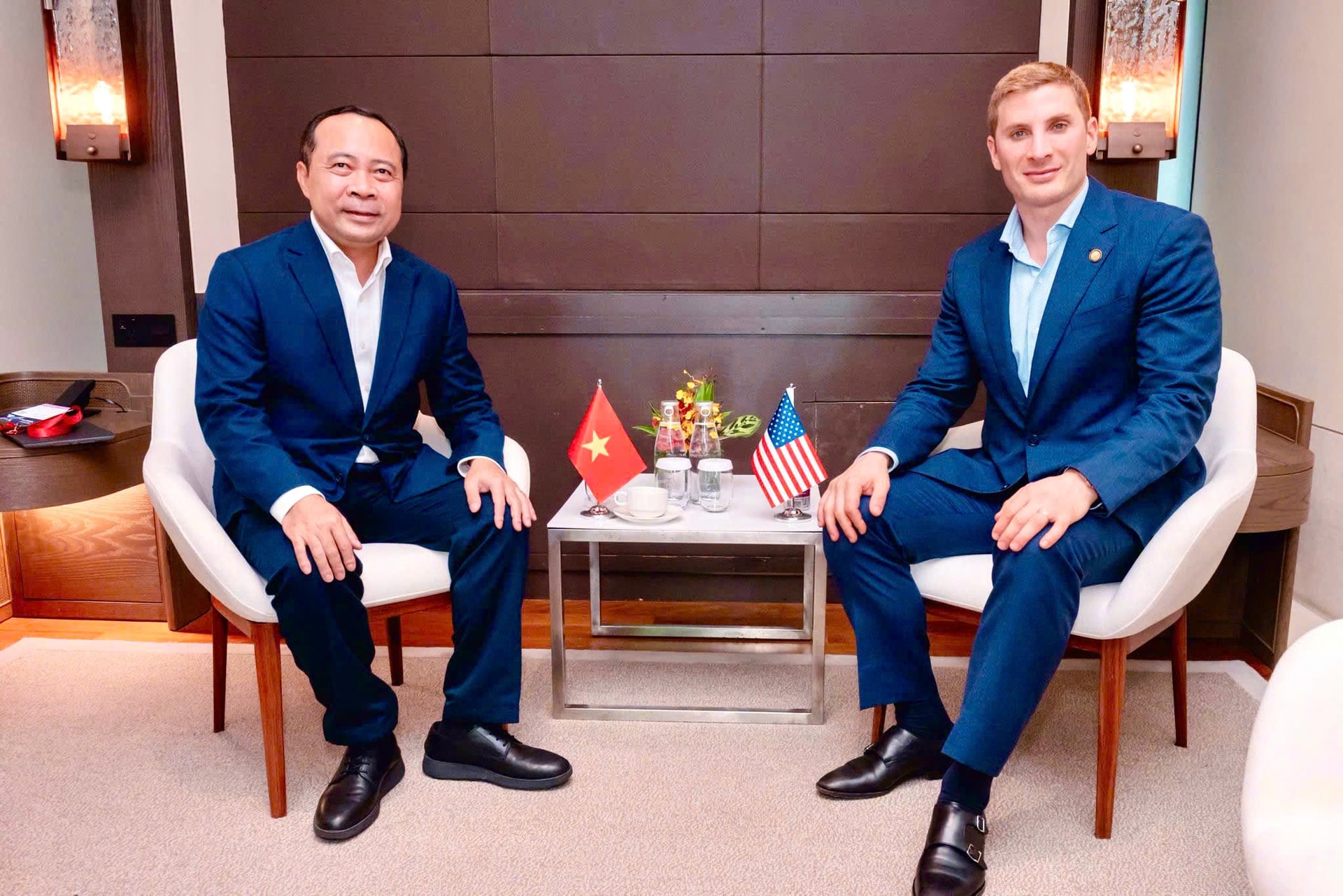
The two sides exchanged views on the development direction of strategic technologies such as AI, semiconductors, cloud computing, and digital data infrastructure. Vietnam highly appreciated the US efforts in promoting innovation and applying AI to serve socio-economic development, while emphasizing the view that AI development should be human-centered, ensuring harmony between innovation and requirements for safety, security, ethics, privacy, and social inclusiveness.
Minister Vu Hai Quan stated that Vietnam is building a management mechanism that balances the promotion of innovation with the requirements of state management in accordance with practical realities; applying a risk-based approach to AI management, while continuing to consult with businesses, experts, and international partners to build a transparent legal environment that facilitates the development of new technologies.
The Minister also proposed strengthening cooperation to ensure the safety and security of strategic telecommunications infrastructure such as 5G/6G networks, data centers, and international undersea fiber optic cable systems; and expanding opportunities for Vietnamese businesses to participate in US AI cooperation programs in research and development, digital service provision, and human resource training.
Copyright belongs to the Vietnam Journal of Science and Technology (VJST-MOST)