

The 6th ASEAN Digital Ministers' Meeting: Focusing on intelligence connectivity
On 15 January in Hanoi, the 6th ASEAN Digital Ministers' Meeting (ADGMIN 6) officially opened in a background of global digital transformation entering a new stage, far more profound and complex than the previous decade. While the initial phase of digital transformation focused on infrastructure expansion, universalizing connectivity, and promoting online services, the current phase poses more fundamental questions regarding intelligence, data, governance capacity, and the adaptability of each nation as well as the entire region.
The event was attended by Prime Minister Pham Minh Chinh, Minister of Science and Technology (MST) Nguyen Manh Hung, along with heads of delegations and representatives of agencies in charge of information technology, telecommunications, and digital transformation from ASEAN member states.
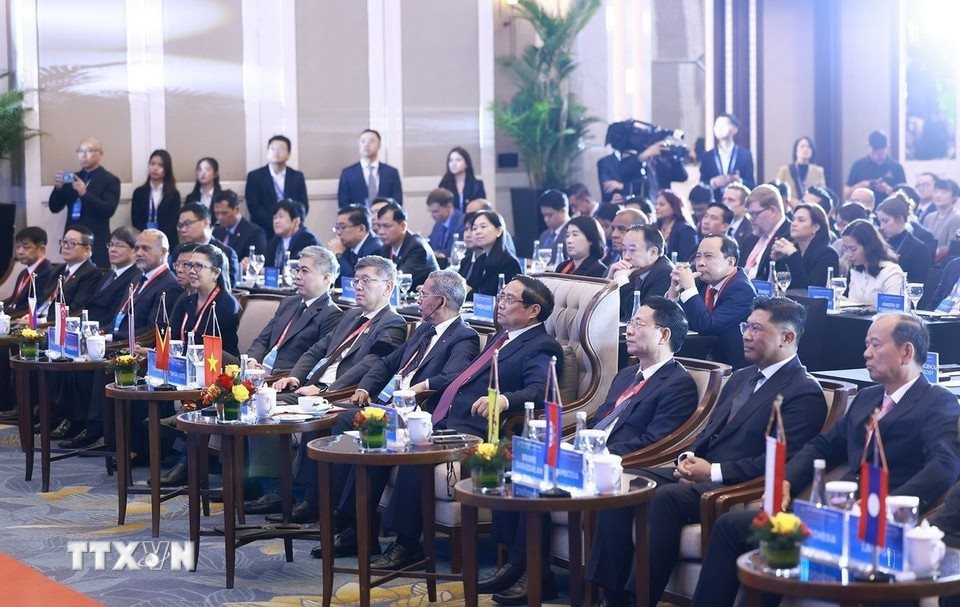
Vietnam’s hosting and chairing of ADGMIN 6 is not merely about organizing a ministerial-level meeting but also demonstrates Vietnam's increasingly prominent role in contributing strategic thinking to ASEAN's digital agenda.
The theme for this year's ADGMIN 6 is clearly defined: “ASEAN adaptive: From infrastructure connectivity to intelligence connectivity”, considering this the foundation for sustainable development and autonomy in the digital era.
From infrastructure connectivity to intelligence connectivity
Speaking at the Opening Ceremony, Prime Minister Pham Minh Chinh emphasized that digital transformation has become a strategic development driver, directly impacting the competitiveness, resilience, and growth quality of every nation.
In a world facing numerous uncertainties, from geopolitical conflicts and supply chain disruptions to climate change and non-traditional security risks, digital technology both opens up great opportunities and poses new challenges.
Prime Minister Pham Minh Chinh affirmed: “ASEAN needs to adapt faster, more proactively, and more creatively to seize the opportunities of digital transformation, while effectively controlling newly arising risks and challenges”.
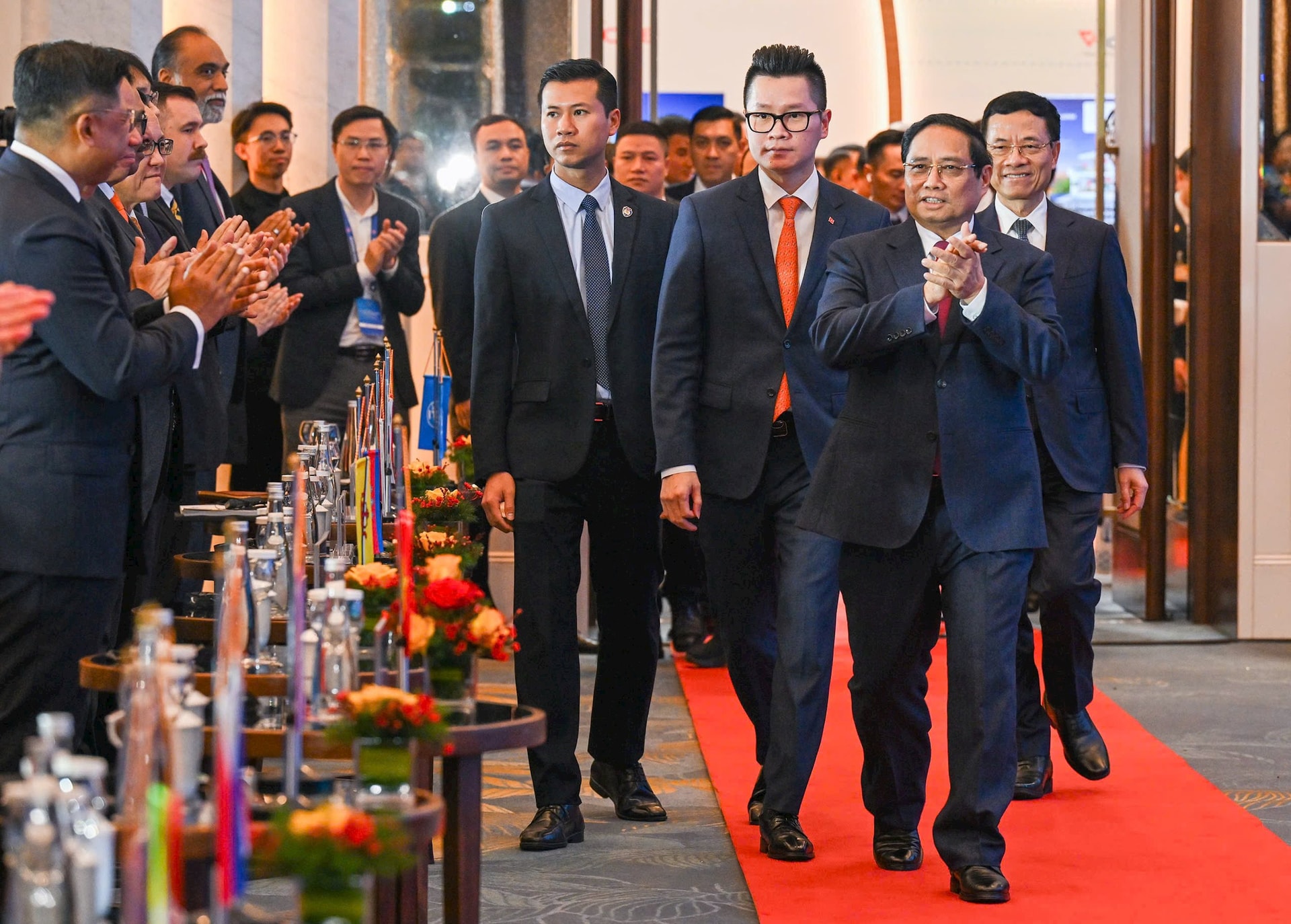
This message reflects a clear reality: ASEAN has achieved many important milestones in digital connectivity over the past years, yet as digital transformation goes deeper, differences in development levels, technological capacity, and governance institutions among countries are becoming more apparent.
Data remains fragmented across borders and sectors, while common standards for safety, security, and technological ethics have not kept pace with the rapid development of artificial intelligence and digital platforms.
Therefore, the theme “From infrastructure connectivity to intelligence connectivity” is viewed as a strategic shift in thinking. “Intelligence connectivity” is not just about technological upgrades but about connecting data, knowledge, analytical capacity, and decision-making to form an ASEAN digital space capable of learning, adapting, and self-adjusting to the rapid fluctuations of the global environment.
Sharing this perspective, ASEAN Secretary General Kao Kim Hourn emphasized that digital transformation is becoming a vital pillar in the process of building the ASEAN Community. ASEAN Secretary General Kao Kim Hourn believed that to fully utilize the potential of digital technology, member states need to strengthen policy coordination, promote data interoperability, and build trust in the digital space.
"Digital cooperation is not only a matter of technology but also a matter of trust, institutions, and inclusivity", the ASEAN Secretary General stated.
From the opinions expressed at the Conference, it can be seen that ASEAN's digital transformation is being placed within a comprehensive reform process, requiring close linkage between policy, science and technology, and regional cooperation instead of fragmented approaches in individual countries.
Science and Technology in shaping the ASEAN digital space
As the Chairman of the 6th ASEAN Digital Ministers' Meeting, Minister of Science and Technology Nguyen Manh Hung emphasized that digital transformation cannot be understood merely as the digitization of old processes, but as a comprehensive innovation in development thinking. Minister Nguyen Manh Hung stated: “Stability is the premise for development, but innovation is the driver of development”.
According to the Minister, in the digital era, without innovation, countries will find it difficult to create sustainable competitive advantages, especially in core technology fields such as artificial intelligence, big data, and digital platforms.
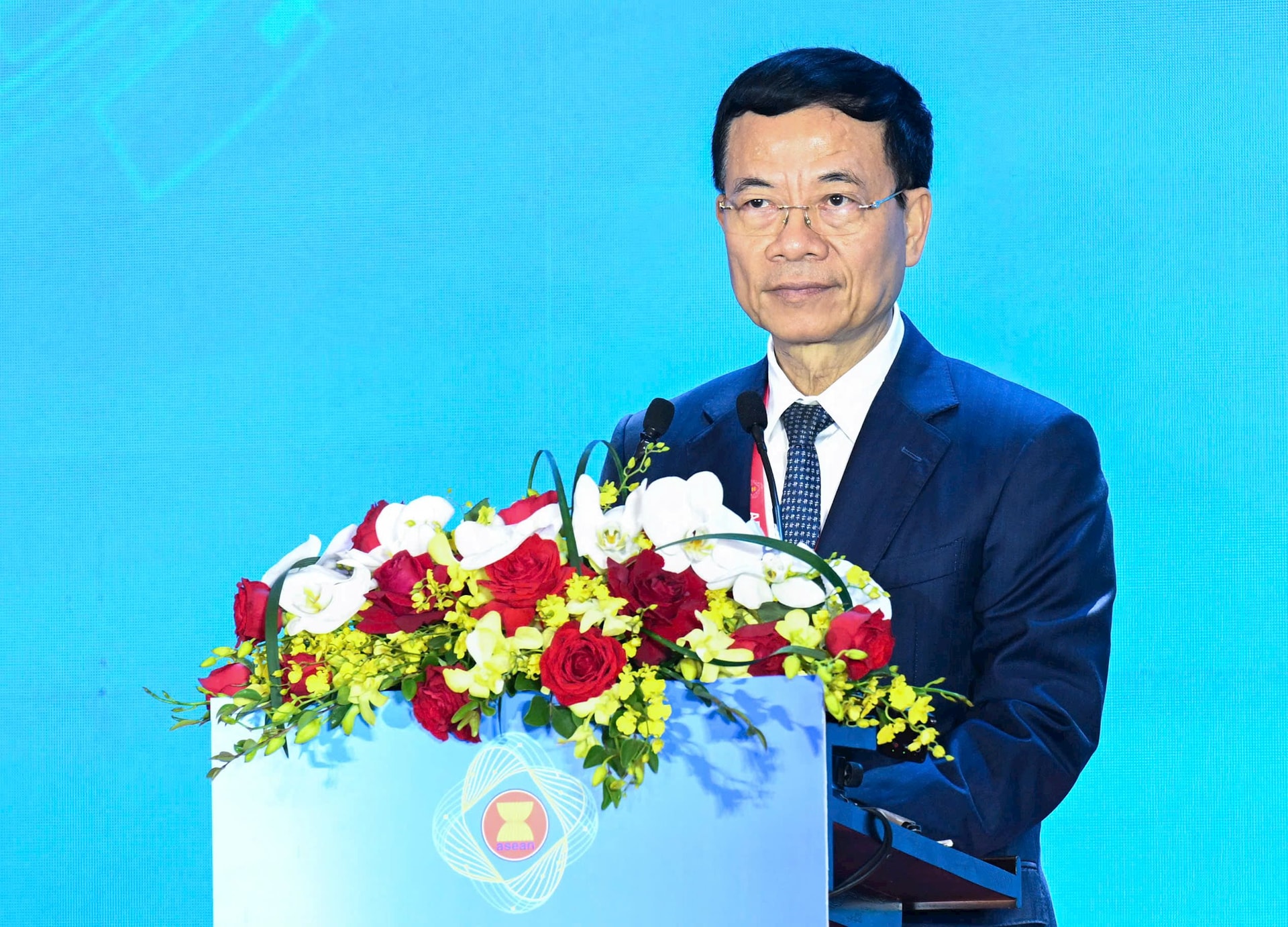
From a science and technology perspective, this message sets clear requirements for ASEAN digital cooperation. As artificial intelligence is increasingly applied in state management, production, healthcare, and education, the question is no longer “whether to apply it” but “how to apply it to ensure human benefits, social safety, and sustainable development”. This requires ASEAN to establish common principles for responsible AI, transparent data governance, and privacy protection.
At the Conference, representatives of several ASEAN countries also emphasized the importance of regional cooperation in the development and governance of new technologies. Singapore’s Minister in charge of the digital economy argued that artificial intelligence and big data are creating both growth opportunities and risks of polarization if there is a lack of common standards and coordination mechanisms.
Accordingly, no ASEAN nation can solve the challenges of the digital era alone, especially regarding cybersecurity and cross-border data governance.
A highlight of long-term significance at the 6th ASEAN Digital Ministers' Meeting is Timor-Leste’s first participation in the ASEAN Digital Ministers' Meeting as a full member. This sets a new requirement for inclusivity in science and technology cooperation and digital transformation to narrow the development gap and ensure no country is left behind in the digitalization process.
In the framework of the Conference, Vietnam is organizing a series of ASEAN digital cooperation events from 12 to 16 January, 2026, in Hanoi, including the 6th ASEAN Digital Senior Officials' Meeting (ADGSOM 6), working group sessions, meetings with Dialogue Partners, and various side activities.
The series of events aims to promote exchange, connectivity, and cooperation, contributing to building a safe, trusted, inclusive, and adaptive ASEAN digital space in the face of rapid changes in digital technology in the new era./.
Copyright belongs to the Vietnam Journal of Science and Technology (VJST-MOST).